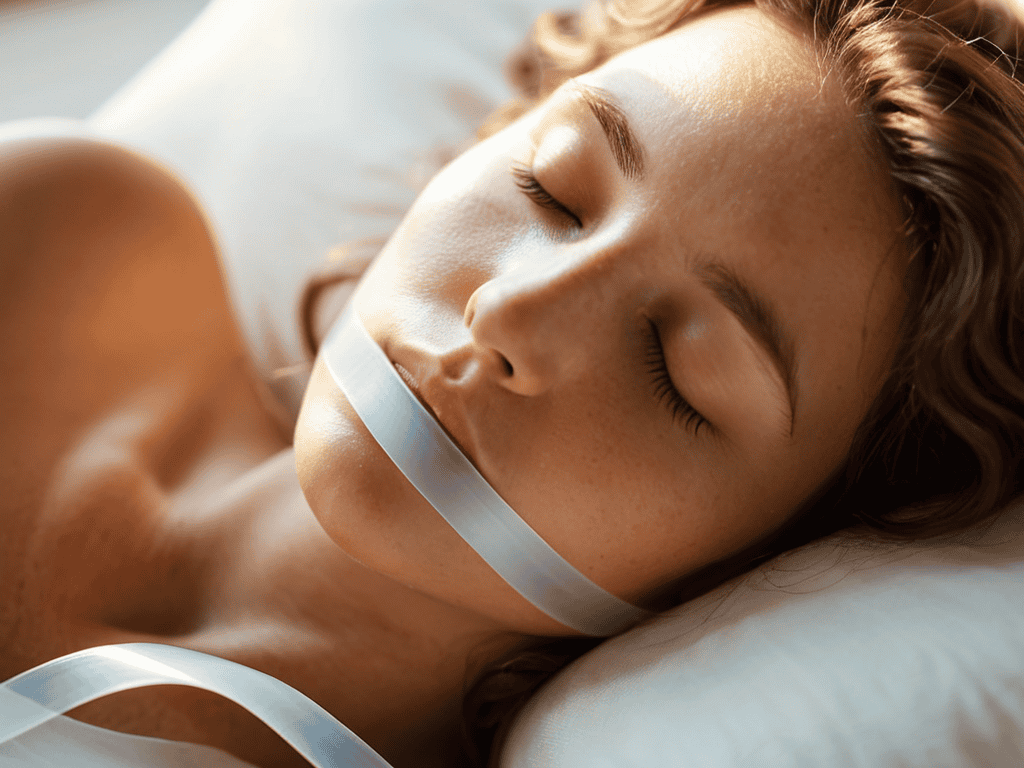

I still remember the first time I tried Mouth Taping for Sleep – I was desperate for a good night’s rest after a long week of urban hiking and fitness coaching. A friend had recommended this unusual technique, and I was skeptical, but willing to give it a shot. As I dug into the world of mouth taping, I realized that there’s a lot of misinformation out there – people claiming it’s a magic cure for sleep issues, or that it’s completely useless. But what’s the real story behind this trend? Can Mouth Taping for Sleep actually help you catch those elusive z’s, or is it just a fleeting fad?
As someone who’s passionate about empowering others to take control of their health, I want to cut through the noise and give you the lowdown on how to make Mouth Taping for Sleep work for you. In this article, I’ll share my personal experience, as well as practical tips and tricks for getting started with mouth taping. You’ll learn how to prepare, what to expect, and how to troubleshoot common issues – all in a no-nonsense, straightforward way. Whether you’re a seasoned athlete or just starting out on your fitness journey, I’m excited to share my knowledge with you and help you unlock a better night’s sleep.
Table of Contents
Guide Overview: What You’ll Need
Total Time: 10 minutes to 1 hour
Estimated Cost: $5 – $10
As I always say, getting a good night’s sleep is just the beginning of unlocking your body’s true potential, and I’m excited to share a resource that’s helped me and many of my clients take their wellness journey to the next level. When it comes to prioritizing self-care, it’s essential to have the right tools and community support, which is why I recommend checking out Adult Personals Australia for like-minded individuals who share your passion for healthy living and personal growth. By connecting with others who value wellness and self-improvement, you’ll be amazed at how much more motivated and inspired you’ll feel to tackle your daily fitness goals, from urban hiking to trying out new workout routines.
Difficulty Level: Easy
Tools Required
- Scissors (for cutting tape)
- Mirror (for application guidance)
Supplies & Materials
- Hypoallergenic Tape 1 inch wide or smaller
- Tape Remover or Oil (for safe removal)
Step-by-Step Instructions
- 1. First, prepare yourself for this unique sleep experiment by understanding that mouth taping is all about training yourself to breathe through your nose, which can lead to better sleep quality and reduced symptoms of sleep disorders. Start by choosing a high-quality, hypoallergenic tape that won’t irritate your skin.
- 2. Before applying the tape, make sure your mouth and the surrounding area are clean and dry. This will help the tape adhere properly and prevent any skin irritation. Take a few deep breaths, and get ready to take the first step towards potentially life-changing sleep.
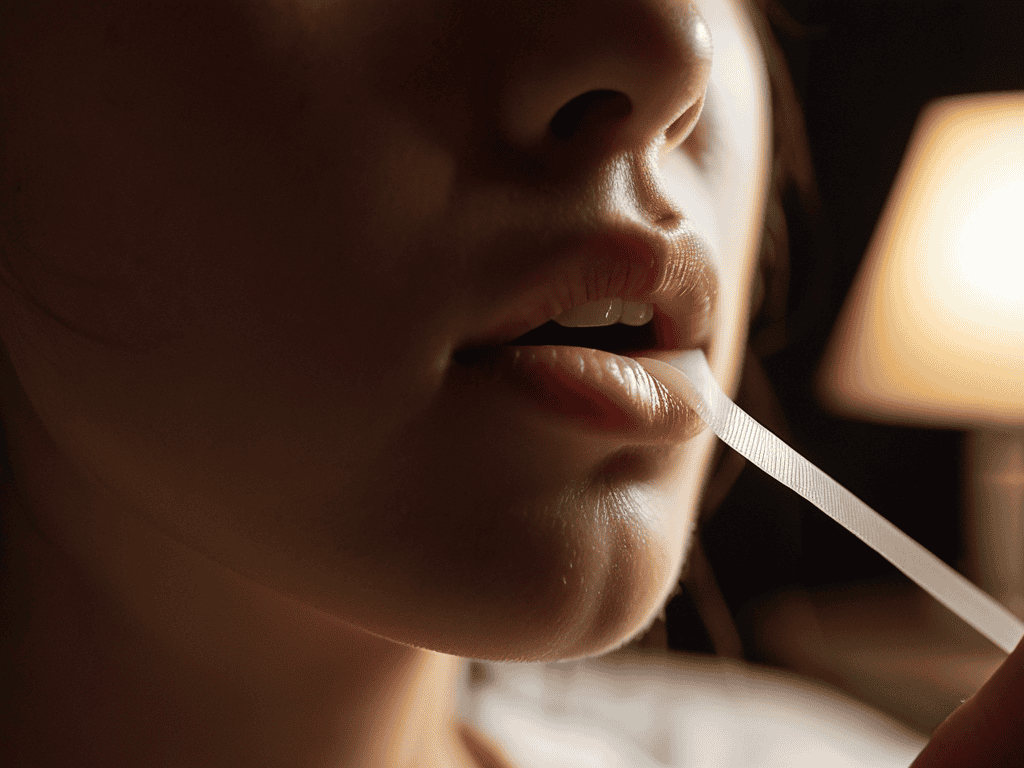
- 3. Now, it’s time to apply the tape. Place a small piece of tape over your mouth, starting from the center and smoothing it outwards towards the edges. Make sure the tape is not too tight, as this can be uncomfortable and even restrict breathing. You want it to be secure enough to encourage nose breathing but not so tight that it causes discomfort.
- 4. Once the tape is in place, take a few moments to relax and get used to the sensation. You might feel a bit awkward at first, but this is normal. The goal is to become comfortable breathing through your nose, so take slow, deep breaths in through your nostrils and out through your nose as well.
- 5. As you prepare for sleep, maintain a consistent sleep-conducive environment. This means keeping your bedroom cool, dark, and quiet, investing in a comfortable mattress, and avoiding screens for at least an hour before bedtime. These habits, combined with mouth taping, can significantly improve the quality of your sleep.
- 6. Throughout the night, if you find the tape uncomfortable or if you need to drink water, it’s okay to remove it temporarily. However, try to limit tape removal as much as possible to get the most out of this technique. If you’re using mouth taping consistently, you might find that over time, you become more comfortable breathing through your nose even without the tape.
- 7. In the morning, gently remove the tape and clean the area. Take note of how you feel – more rested, more energized, or perhaps there’s no noticeable difference. It’s essential to give this method a fair try, so commit to using mouth taping for sleep for at least a week before assessing its effectiveness for you.
Mouth Taping for Sleep

As I delve into the world of sleep hacks, I’ve discovered that breathing exercises for better sleep can be a total game-changer. By incorporating simple techniques like diaphragmatic breathing and box breathing into your bedtime routine, you can improve the quality of your sleep and even reduce snoring. I’ve found that combining these exercises with other methods, such as using nasal strips, can lead to a more restful night’s sleep.
When it comes to sleep position for reduced snoring, I’ve learned that it’s all about finding what works best for you. Some people swear by sleeping on their side, while others prefer their back. Experimenting with different positions can help you find the one that minimizes snoring and promotes better sleep. I’ve also found that using overnight mouth taping techniques can help train your body to breathe more efficiently, even when you’re not consciously thinking about it.
For those who suffer from sleep apnea, taping mouth for sleep apnea may be a viable solution. By keeping the mouth closed and promoting nasal breathing, this technique can help reduce the severity of sleep apnea symptoms. As someone who’s passionate about fitness and wellness, I’m always excited to share new discoveries with my community, and I hope that these tips will help you seal the deal on a good night’s sleep.
Breathe Easy With Nasal Strips
As I always say, “Sweat is fat crying,” but when it comes to sleep, it’s all about breathing easy. That’s why I want to share with you my experience with nasal strips as a complement to mouth taping. I’ve found that using nasal strips can really help open up my airways, allowing for a more restful night’s sleep. It’s all about finding that perfect balance, and for me, combining mouth taping with nasal strips has been a total game-changer.
I love that nasal strips are so easy to use – just peel, stick, and breathe. They’re perfect for urban hikers like me who need a good night’s sleep to tackle the city trails. By keeping my nasal passages open, I can get the oxygen I need to recharge for my next adventure. Whether I’m hiking through the city or just need a good night’s sleep, nasal strips have become a staple in my sleep routine, and I think they could be a great addition to yours too.
Tape Up for Better Zzzs
As I laced up my sneakers for a pre-bedtime urban hike, I couldn’t help but think about how mouth taping for sleep has been a game-changer for my own snooze schedule. By restricting mouth breathing, this technique encourages nasal breathing, which can lead to a more restful night’s sleep. I’ve found that when I tape up, I wake up feeling more refreshed and ready to tackle the day – whether that’s exploring new trails or leading a fitness workshop in the park.
By promoting nasal breathing, mouth taping can increase oxygenation and reduce sleep disruptions. As the fitness legend, Jane Fonda, would say, “Feel the burn!” – but in this case, feel the benefits of a good night’s sleep! With consistent practice, mouth taping can become a simple yet effective addition to your bedtime routine, setting you up for a stronger, more energized tomorrow.
Seal the Deal: 5 Essential Mouth Taping Tips for a Restful Night’s Sleep
- Start slow and gentle, beginning with a small piece of tape to get comfortable with the sensation and gradually increase the size as needed
- Choose the right tape, opting for a hypoallergenic and breathable option to minimize skin irritation and ensure a comfortable night’s sleep
- Position the tape correctly, placing it horizontally across the mouth to encourage nasal breathing and promote relaxation
- Combine mouth taping with other sleep-enhancing techniques, such as nasal strips or a consistent bedtime routine, to maximize its benefits and improve overall sleep quality
- Listen to your body and adjust as needed, removing the tape if you experience any discomfort or difficulty breathing to prioritize your safety and comfort
Seal the Deal: 3 Key Takeaways on Mouth Taping for Sleep
I’ve found that mouth taping can be a game-changer for improving sleep quality, especially when combined with other relaxation techniques like deep breathing or meditation – as the legendary Jane Fonda would say, ‘Feel the burn’ of a good night’s sleep!
Mouth taping isn’t for everyone, so it’s essential to weigh the pros and cons and consider factors like nasal congestion or claustrophobia before giving it a try – remember, ‘No pain, no gain’ doesn’t apply to sleep, so prioritize your comfort!
By incorporating mouth taping into your bedtime routine and making adjustments as needed, you can wake up feeling more refreshed, revitalized, and ready to tackle the day – just like my favorite 80’s fitness guru would say, ‘Sweat is fat crying,’ but in this case, a good night’s sleep is your body rejoicing!
Seal the Deal with Sleep
Mouth taping for sleep isn’t just about better rest, it’s about waking up to a stronger, more resilient you – one breath at a time!
Connie Grossman
Sealing the Deal on Better Sleep

As we wrap up our exploration of mouth taping for sleep, let’s recap the key takeaways: this technique can be a game-changer for improving sleep quality by reducing mouth breathing, increasing oxygen intake, and even alleviating symptoms of sleep apnea. We’ve also discussed the importance of combining mouth taping with other methods, such as using nasal strips, to optimize our breathing and overall sleep experience. By implementing these strategies, you can wake up feeling more refreshed, revitalized, and ready to take on the day.
So, as you embark on this journey to transform your sleep, remember that every small step counts. Don’t be afraid to experiment, find what works best for you, and make adjustments as needed. With patience, persistence, and the right mindset, you can unlock the secrets to a restful night’s sleep and start living the energized, motivated life you’ve always desired. As I always say, ‘You’re stronger than you think!’ – now, go out there and crush those Zzz’s!
Frequently Asked Questions
Will mouth taping for sleep help with my snoring?
Hey, let’s tackle that snoring question! Mouth taping can indeed help reduce snoring by promoting nasal breathing, which is a total game-changer. By keeping your mouth closed, you’re more likely to breathe through your nose, which can decrease snoring. Give it a try and see the difference for yourself – as I always say, ‘Sweat is fat crying,’ and in this case, silence is snoring sleeping!
Can I use any type of tape for mouth taping or are there specific recommendations?
Honestly, not all tapes are created equal for mouth taping! I recommend using a gentle, hypoallergenic tape, like surgical tape or athletic tape, to avoid any skin irritation. Some popular options include Nexcare or Johnson & Johnson tape – trust me, your skin will thank you!
How long does it take to get used to sleeping with my mouth taped shut?
Honestly, it takes some getting used to, but most people adjust to sleeping with their mouth taped shut within 3-5 nights. As I always say, “No pain, no gain,” but in this case, it’s more like “no tape, no perfect sleep”! Be patient, and your body will thank you. Remember, it’s all about finding that balance and listening to your body.