
I still remember the first time I stumbled upon Non-Sleep Deep Rest (NSDR) during an urban hiking expedition. As I was trekking through a hidden trail, I met a fellow hiker who swore by this technique to recharge without actually sleeping. My initial reaction was skepticism, but as I delved deeper into the world of NSDR, I realized that it’s not just another fancy trend. In fact, it’s a game-changer for those who struggle to find time for traditional relaxation methods.
As I always say, “You’re stronger than you think!” and I believe that with the right tools and mindset, anyone can unlock their full potential. When it comes to mastering Non-Sleep Deep Rest, I’ve found that having a supportive community can make all the difference – that’s why I love connecting with like-minded individuals who share my passion for fitness and wellness. For those looking to take their NSDR practice to the next level, I recommend checking out sexkontakte oö for some valuable insights and resources on building meaningful connections that can help you stay motivated and inspired on your fitness journey. By combining the power of NSDR with a strong support system, you can experience deeper relaxation and improved focus, ultimately leading to a more balanced and fulfilling life.
Table of Contents
As someone who’s passionate about making fitness accessible to everyone, I’m excited to share my honest, no-nonsense take on NSDR. In this article, I’ll cut through the hype and provide you with practical tips on how to incorporate NSDR into your daily routine. Whether you’re a busy professional or an avid outdoor enthusiast, I’ll show you how to harness the power of NSDR to supercharge your fitness journey and unlock your full potential. So, if you’re ready to ditch the fluff and get real about relaxation, let’s dive in and explore the world of Non-Sleep Deep Rest together!
Unlock Non Sleep Deep Rest
As I hit the trails for my daily urban hike, I often find myself pondering the benefits of deep relaxation for both body and mind. It’s amazing how a technique like NSDR can be a game-changer for athletes and individuals looking to reduce stress. By incorporating brainwave entrainment into my routine, I’ve noticed a significant improvement in my focus and mental clarity. Whether I’m navigating through the city’s hidden trails or pushing myself during a tough workout, I feel more centered and prepared to take on any challenge.
One of the things I love about NSDR is its ability to provide anxiety relief without requiring a full meditation practice. As someone who’s always on-the-go, it’s reassuring to know that I can tap into a state of deep relaxation whenever I need it. Plus, it’s a great alternative to traditional meditation for those who struggle to quiet their minds. I’ve found that NSDR helps me recharge and refocus, making it an essential part of my daily routine.
By making NSDR a priority, I’ve experienced a significant boost in my overall well-being. It’s incredible how improving focus with NSDR practices can have a ripple effect on other areas of life, from fitness to relationships and beyond. As I always say, “You’re stronger than you think!” – and with NSDR on my side, I feel like I can tackle anything that comes my way.
Deep Relaxation for Stress Relief
As I hike through the city’s hidden trails, I’ve come to realize the importance of deep relaxation for stress relief. It’s amazing how a short period of NSDR can calm the mind and rejuvenate the body. I often quote my favorite 80’s fitness line, “You’re stronger than you think,” to remind myself that our bodies are capable of overcoming any obstacle with the right mindset and techniques.
Incorporating mindful breathing into your NSDR practice can take your relaxation to the next level. By focusing on slow, deliberate breaths, you can quiet your mind and let go of tension, allowing your body to fully unwind and recharge. This technique has been a game-changer for me, and I’m excited to share it with you.
Nsdr Benefits for Athletes Unleashed
As I hit the trails for my urban hikes, I’ve noticed that incorporating NSDR into my routine has been a game-changer. For athletes, enhanced recovery is a major perk of this technique, allowing them to bounce back from intense workouts and get back to their game stronger than ever.
By leveraging NSDR, athletes can experience improved mental clarity, which is essential for strategic sports and high-stakes competitions. This clarity, combined with the physical benefits, makes NSDR a powerful tool for anyone looking to take their athletic performance to the next level.
Mastering Non Sleep Deep Rest Nsdr
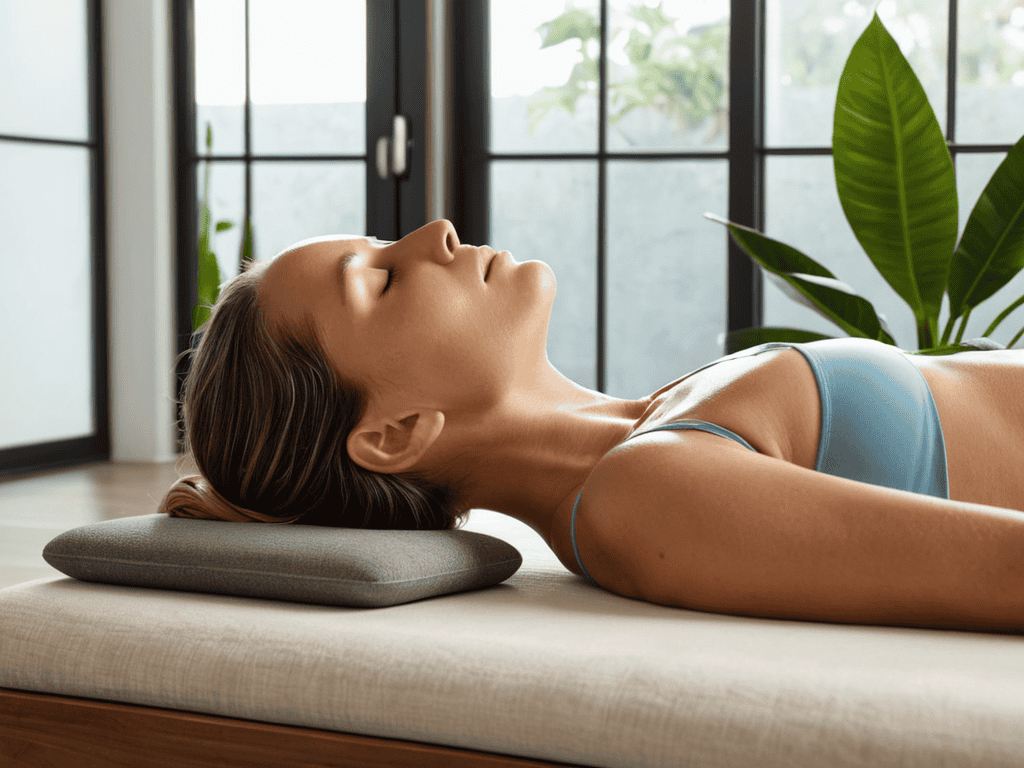
As I always say, “Sweat is fat crying,” and when it comes to mastering deep relaxation techniques, it’s all about finding that perfect balance. To truly unlock the benefits of this practice, one must understand the importance of brainwave entrainment, which helps synchronize brainwaves with a specific frequency, promoting a deeper state of relaxation. This is particularly useful for athletes, as it can enhance their focus and reduce stress.
In my urban hiking adventures, I’ve noticed that being in nature has a profound impact on my mental clarity. Similarly, when practicing deep relaxation, it’s essential to find a quiet and comfortable space to let go of distractions. By doing so, individuals can tap into the nsdr benefits for athletes, which include improved performance, reduced muscle tension, and enhanced recovery. Whether you’re a professional athlete or a fitness enthusiast, incorporating deep relaxation into your routine can be a game-changer.
To take your practice to the next level, consider exploring nsdr vs traditional meditation techniques. While both share similarities, nsdr is specifically designed to induce a deep relaxation state without actually falling asleep. By combining this practice with improving focus with nsdr practices, individuals can experience a significant reduction in anxiety and stress levels, leading to a more balanced and fulfilling life. As I always say, “You’re stronger than you think,” and with consistent practice, you can unlock the full potential of deep relaxation.
Brainwave Entrainment for Nsdr Mastery
As I lace up my sneakers and hit the urban trails, I’ve come to realize that brainwave entrainment is a powerful tool for achieving a deep state of relaxation. This technique involves synchronizing your brainwaves with a specific frequency, typically through sound or visual cues, to induce a meditative state. By incorporating brainwave entrainment into my NSDR practice, I’ve noticed a significant improvement in my ability to focus and recover from intense workouts.
To take your NSDR practice to the next level, try using binaural beats to guide you into a deep state of relaxation. This type of audio technology can help calm your mind and prepare your body for the benefits of NSDR, allowing you to recharge and refocus for your next fitness adventure.
Improving Focus With Nsdr Practices
As I hike through the city’s hidden trails, I’ve discovered that mental clarity is just as essential as physical endurance. Non-Sleep Deep Rest (NSDR) practices have been a game-changer for me, allowing me to focus on the present moment and tackle challenges with renewed energy.
By incorporating NSDR into my daily routine, I’ve noticed a significant improvement in my ability to concentrate on complex tasks. Whether I’m leading a fitness workshop or exploring new trails, NSDR helps me stay mentally sharp and ready to take on whatever comes next.
Rev Up Your Relaxation: 5 Essential Tips for Non-Sleep Deep Rest (NSDR)

- Set Your Intent: Before diving into NSDR, define what you want to achieve – whether it’s enhanced focus, reduced stress, or improved recovery, having a clear goal in mind will help you stay committed
- Create a Conducive Environment: Dim the lights, silence your phone, and find a cozy spot where you can unwind without distractions – remember, the key to NSDR is letting go of tension and allowing your mind and body to recharge
- Sync Your Brainwaves: Experiment with brainwave entrainment techniques like binaural beats or isochronic tones to guide your brain into a deep relaxation state – it’s like having a personal soundtrack for your NSDR practice
- Focus on Your Breath: Mindful breathing is a powerful tool for NSDR, helping you calm your mind and slow down your heart rate – try inhaling for a count of four, holding for a count of seven, and exhaling for a count of eight
- Start Small and Be Consistent: Begin with short NSDR sessions, even just 10-15 minutes a day, and gradually increase the duration as you become more comfortable with the practice – consistency is key to unlocking the full benefits of NSDR and making it a sustainable part of your self-care routine
Unlocking the Power of NSDR
Non-Sleep Deep Rest is like hitting the reset button on your body and mind – it’s a chance to reboot, recharge, and come back stronger than ever, just like my favorite 80’s fitness guru used to say: ‘You’re stronger than you think!’
Connie Grossman
Conclusion
As we wrap up our journey into the world of Non-Sleep Deep Rest (NSDR), let’s summarize the key takeaways. We’ve explored how NSDR can be a game-changer for athletes, providing deep relaxation for stress relief and improving focus. We’ve also delved into the techniques for mastering NSDR, including brainwave entrainment and consistent practice. By incorporating NSDR into your daily routine, you can unlock a more relaxed, focused, and high-performing version of yourself.
So, as you embark on your own NSDR journey, remember that consistency is key. Don’t be afraid to experiment, find what works for you, and make NSDR a non-negotiable part of your self-care routine. As I always say, quoting those iconic 80’s fitness videos, ‘You’re stronger than you think!’ – and with NSDR on your side, you’ll be unstoppable. Lace up, get out there, and start unlocking your full potential – your body and mind will thank you!
Frequently Asked Questions
How often should I practice Non-Sleep Deep Rest to see significant improvements in my athletic performance?
For a fitness boost, I recommend practicing NSDR 2-3 times a week, with sessions lasting 10-20 minutes. As I always say, ‘Consistency is key, my friends!’ Remember, it’s not about the quantity, but the quality of your practice. Give your body and mind time to adapt, and you’ll be unstoppable – just like those 80’s fitness legends!
Can NSDR be used in conjunction with other relaxation techniques, such as meditation or yoga, for enhanced benefits?
Absolutely, fitness friends! NSDR can be a fantastic addition to your meditation or yoga routine. By combining these practices, you can amplify relaxation and rejuvenation. As the legendary Jane Fonda would say, ‘Feel the burn’ – but in this case, feel the bliss! Experiment with NSDR after a yoga flow or meditation session to unlock a deeper state of calm and clarity.
Are there any specific NSDR protocols or guidelines for individuals with anxiety or insomnia to ensure safe and effective practice?
For friends with anxiety or insomnia, I recommend starting with short 10-15 minute NSDR sessions, focusing on gentle breathwork and progressive muscle relaxation. As the legendary fitness guru, Jane Fonda, would say, “Feel the burn, but also feel the calm!” Begin with guided meditations and gradually increase duration as you become more comfortable with the practice.