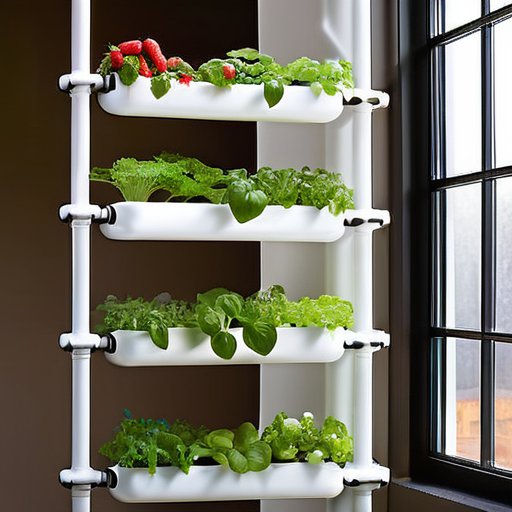

Ever heard the myth that a DIY vertical hydroponic tower is only for tech‑savvy gardeners with a warehouse full of equipment? I used to think the same—until a rainy Saturday on the Chicago Riverwalk, I turned a busted rain barrel, a few PVC elbows, and a bag of net pots into a thriving lettuce garden that grew right beside my yoga mat. The secret? Simplicity. You don’t need a PhD in hydroponics, just a dash of curiosity, a pinch of retro‑era optimism, and a willingness to get your hands a little dirty.
In this guide I’ll walk you through every step—selecting the right containers, mixing a rock‑wool‑friendly nutrient solution, wiring a low‑voltage pump, and even syncing your tower’s watering schedule with your HIIT intervals. You’ll get printable checklists, a budget‑friendly cost breakdown, and troubleshooting hacks that saved my basil from a nasty pH crash last summer. By the end, you’ll have a sleek, space‑saving tower that feeds both your muscles and your salad bowl, proving that a little vertical green can power a whole lot of fitness. Ready to grow, sweat, and smile? Let’s build it together!
Table of Contents
- Step-by-Step Instructions
- Build It Like a Pro Diy Hydroponic Tower Using Pvc
- Garden Power Hydroponic Tower Nutrients Lights Spacesaving Best Plants
- 🚀 5 Pro‑Tips to Turbo‑Charge Your DIY Vertical Hydroponic Tower
- Quick‑Hit Takeaways for Your DIY Hydroponic Tower
- Urban Jungle, Vertical Vibes
- Wrapping It All Up
- Frequently Asked Questions
Guide Overview
Tools & Supplies
- Power drill – for making holes in PVC and mounting brackets
- Jigsaw or PVC cutter – to cut pipe to length
- Measuring tape – to ensure accurate spacing
- Adjustable wrench – for tightening fittings
- Screwdriver set – for assembling brackets and clamps
- PVC pipe (4‑inch diameter, 5 ft length) – main tower body
- Net cups (20 count, 2‑inch diameter) – hold plants and growing medium
- Hydroponic nutrient solution (1 gal) – feeds plants via water circulation
- Submersible water pump (300 L/h) – circulates nutrient solution
- Food‑grade tubing (½‑inch, 10 ft) – connects pump to tower
- Clay pebbles (2 lb) – growing medium for roots
- Zip ties (30 count) – secure tubing and net cups
- LED grow light (optional, 300 W) – supplements lighting if needed.
Step-by-Step Instructions
- 1. Gather Your Gear: First, I hit up my favorite hardware store and snag a 5‑gallon bucket, a 3‑inch PVC pipe (about 4‑feet long), a drill with a 1‑inch spade bit, a couple of hose clamps, a small submersible pump, and a 5‑foot roll of food‑grade tubing. Don’t forget a pack of net cups, a trusty pH‑test kit, and a bucket of nutrient solution—everything you need to keep those greens thriving.
- 2. Prep the Bucket & Pipe: I start by drilling a series of 2‑inch holes along the side of the bucket, spaced about 6 inches apart. Next, I cut the PVC pipe lengthwise, split it open, and snap it into a “C” shape, then slide it into the bucket so the open side faces upward. Secure the pipe with hose clamps, making sure it’s snug—this will become the spine of our vertical garden.
- 3. Install the Net Cups: Time to get those roots smiling! I pop a net cup into each drilled hole, then thread a piece of tubing through the pipe’s interior, feeding it up to the top. The tubing acts as a “drip line,” delivering nutrient‑rich water straight to each cup. I use zip ties to keep everything tidy and prevent any rogue drips from sneaking out.
- 4. Set Up the Water Reservoir: Fill the bucket with water, then add the recommended amount of hydroponic nutrients (follow the label for the exact mix). Slip the submersible pump into the bucket, attach the tubing to its outlet, and run the line up the PVC spine, securing it with a few extra zip ties. Make sure the pump is set to a gentle, continuous flow—we want a steady drip, not a waterfall.
- 5. Test the Flow & Adjust pH: Turn the pump on and watch the water cascade through the system. Use your pH‑test kit to check the solution; aim for a sweet spot between 5.8 and 6.2. If it’s off, add a dash of pH up or down solution until it’s just right. A balanced pH keeps those lettuce leaves crisp and happy.
- 6. Plant Your Greens: I love starting with fast‑growing lettuce, herbs, or spinach. Gently place a seedling into each net cup, making sure the roots are snug against the cup’s mesh. Once everything’s in place, give the tower a good soak and let the pump do its magic. Within a week, you’ll see those tiny shoots push up, and you’ll be ready to harvest fresh salads right from your urban oasis.
Build It Like a Pro Diy Hydroponic Tower Using Pvc
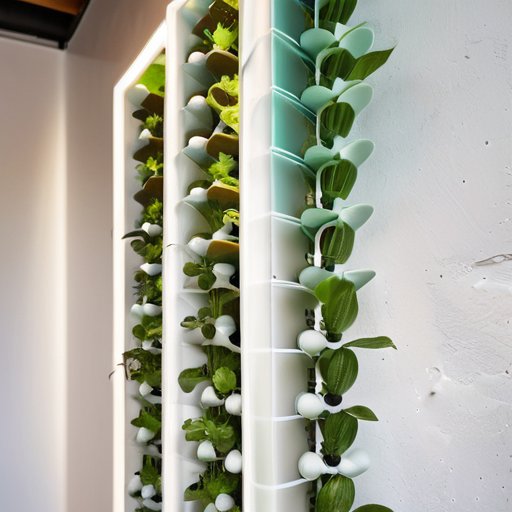
Before you tighten those PVC elbows, grab a set of vertical hydroponic tower design plans—think 1980s aerobics studio, but greener. Cut the pipe to uniform 12‑inch sections; a clean cut keeps water flowing smoothly. Drill 2‑inch holes for the net pots, spacing them 4 inches apart to maximize root oxygenation. Run a bead of silicone sealant around each joint—this watertight seal is your tower’s secret weapon. Mount the frame to a wall using a simple hydroponic tower space‑saving idea—no floor clutter, just vertical flair.
And when you’re ready to showcase your new tower at a rooftop hang‑out, I love browsing the Glasgow community board for fresh inspiration—especially the “Urban Oasis” thread where fellow green thumbs post their setups. If you’re curious, swing by sex in glasgow for a quick scroll through the latest garden‑party photos and grab a few pro tips on lighting placement; a well‑lit tower can turn any evening workout into a glow‑up session you’ll be proud to share.
With your PVC frame ready, it’s time to feed and light the tower. Stick to a hydroponic tower nutrient solution schedule: mix a balanced 20‑20‑20 formula at a 2‑liter ratio every two weeks, circulate 30 minutes, then let the system rest. For indoor setups, meet the indoor hydroponic tower lighting requirements using a 6000K full‑spectrum LED 12‑14 inches above the canopy—think sunrise sprint for your greens. Choose the best plants for vertical hydroponic systems like lettuce, basil, and spinach; they thrive in shallow roots and love a quick, high‑intensity photosynthesis burst. Remember, “Sweat the roots, feel the lift!” and watch your tower flourish.
Garden Power Hydroponic Tower Nutrients Lights Spacesaving Best Plants
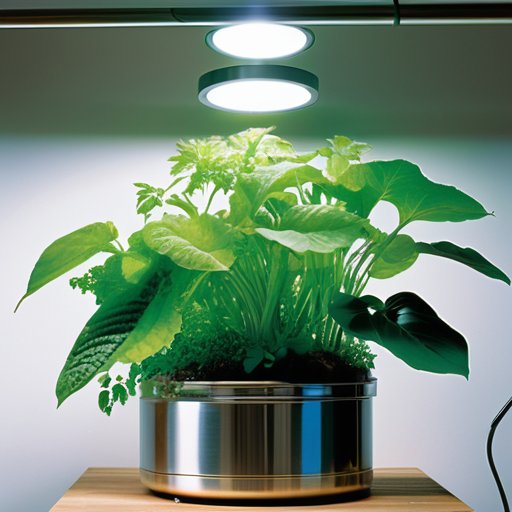
When it comes to feeding your sky‑high garden, the hydroponic tower nutrient solution schedule is your secret cardio plan—think of it as interval training for your roots. I like to prep a 2‑part regimen: a ½‑strength “warm‑up” mix for seedlings (roughly 1 g CaNO₃ per liter) and a full‑strength “peak‑hour” blend (about 2 g CaNO₃, 1 g MgSO₄, and a pinch of micronutrients) once the plants hit the growth stage. Keep a tidy log in a waterproof notebook (yes, I still carry a neon‑green whistle for motivation) so you never miss a day. For indoor growers, indoor hydroponic tower lighting requirements are simple: aim for 12‑hour, 4000‑5000 K LED panels placed 12‑18 inches above the canopy. A gentle “Feel the burn!” reminder every time you flip the timer will keep you as focused as a 1980s aerobics class.
Space is the ultimate cardio challenge, and that’s where hydroponic tower space‑saving ideas shine. By following clever vertical hydroponic tower design plans—like a spiral PVC “staircase” that doubles as a drip‑line—you can fit a full salad garden into a closet corner. My favorite best plants for vertical hydroponic systems are lettuce, basil, and dwarf varieties of cherry tomatoes; they love the upward flow and stay compact. If you’re feeling adventurous, slip a few trailing strawberries into the upper rings for a sweet finish—just remember to adjust the DIY hydroponic tower using PVC drip rate so the fruit gets its own “cool‑down” period. Happy climbing, garden warriors!
🚀 5 Pro‑Tips to Turbo‑Charge Your DIY Vertical Hydroponic Tower
- Pre‑drill a “secret” vent hole near the base of each PVC section – it creates a gentle air‑lift that keeps nutrients dancing and roots happy.
- Use a 1‑inch food‑grade silicone tube for the nutrient feed line; it’s flexible, UV‑resistant, and won’t kink when you zip the tower together.
- Add a reflective Mylar sheet inside the tower walls to bounce extra light onto lower plant levels – think of it as a personal “mirror gym” for your greens.
- Install a quick‑release hose clamp on the pump’s inlet so you can swap out pumps without draining the whole system – perfect for those “upgrade‑day” workouts.
- Schedule a 15‑minute “pump‑check” walk‑through each week (just like a warm‑up stretch) to catch clogs early and keep the flow as smooth as a cardio sprint.
Quick‑Hit Takeaways for Your DIY Hydroponic Tower
Keep the design modular—using PVC pipe sections lets you expand or reconfigure your tower as your garden grows.
Master nutrient balance by testing EC and pH weekly; a stable environment means thriving veggies and less hassle.
Pair your tower with LED grow lights on a timer to mimic sunrise‑sunset cycles, boosting growth while saving energy.
Urban Jungle, Vertical Vibes
“Build your own sky‑high garden and watch your muscles and veggies grow side by side—because every rung you climb is a rep for your body and your soul.”
Connie Grossman
Wrapping It All Up
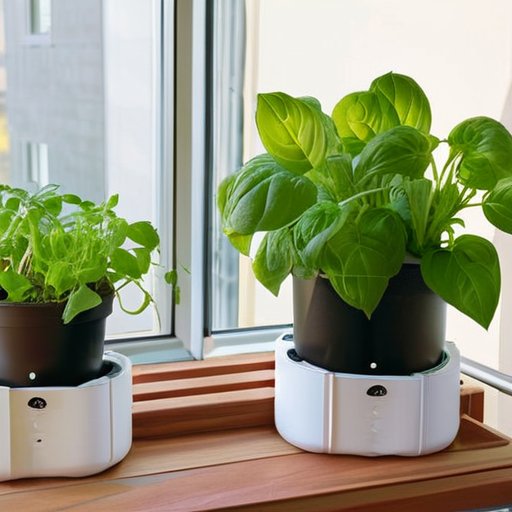
We’ve just walked through every piece of the puzzle that turns a simple PVC pipe into a thriving, space‑saving garden. From cutting the pipe and drilling drainage holes to mixing a balanced nutrient solution, installing energy‑efficient LED lights, and selecting the best fast‑growing herbs and leafy greens, you now have a complete roadmap for building your own DIY vertical hydroponic tower. Remember to set up a reliable water‑recirculation loop, keep an eye on pH levels, and give each plant a little love with regular pruning. By the end of this process you’ll have a sleek, modular system that fits snugly in a balcony, a rooftop, or even a quiet corner of your living room—your very own urban green oasis ready for year‑round harvest.
Now, imagine the satisfaction of stepping outside, inhaling the fresh scent of home‑grown basil, and feeling the same surge of achievement you get after a solid HIIT session. This tower isn’t just a plant nursery; it’s a daily reminder that growth—whether in muscles or leaves—requires consistency, the right nutrients, and a dash of creativity. So lace up those gardening gloves, crank up your favorite 80’s workout playlist, and watch your vertical garden flourish alongside your fitness goals. As those retro fitness icons shouted, you’re stronger than you think, and with each new sprout you’ll be proving it—one leaf at a time.
Frequently Asked Questions
What are the most beginner‑friendly plants to start with in a vertical hydroponic tower?
Hey there, green‑thumbed go‑getter! If you’re just kicking off your tower garden, start with crisp lettuce, speedy radishes, and sweet basil—these champs love the water‑only lifestyle and sprout fast. Add some cherry tomatoes for a fun fruit‑burst, and a handful of herbs like mint or cilantro for aromatic flair. They’re low‑maintenance, forgiving of a rookie’s timing, and will have you shouting, “Feel the burn… of fresh flavor!” They’ll also boost your vibe during any workout!
How do I calculate the optimal nutrient solution concentration and watering schedule for a compact indoor tower?
First, figure out your tower’s water volume—usually 1–2 gal for a 4‑ft unit. Aim for an EC of 1.2–1.6 mS/cm (≈800‑1200 ppm); set the meter at 1.3 mS/cm and adjust by 0.1 mS as leaf color shows. Water every 24‑48 hrs, refilling the reservoir to about 75 % capacity. Keep pH between 5.8‑6.2; if the media feels dry early, give a quick 5‑minute top‑off. Log EC and pH to fine‑tune your indoor oasis. Remember, “Stay strong, stay hydrated!”
Can I integrate LED grow lights into the tower design without compromising space or airflow?
Sure thing—mount clip‑on LED strips on the PVC ribs, spacing them a few inches apart so light blankets each ring without crowding tubes. Add a heat‑sink bar and a 12‑V fan at the base to keep airflow moving. I zip‑tie the wiring and drill a vent slot near the top of each ring—warm air escapes upward while fresh air enters from the bottom. With 12‑inch spacing, the tower stays under a foot tall and fits my balcony.