

I still remember the night the lab lights flickered over a half‑assembled wristband that could feel my frustration and flash a soft blue pulse when I slammed my laptop in exasperation. The scent of solder and cold coffee mixed with the low hum of the prototype’s micro‑actuators, and there, between the blinking LEDs, I realized I was staring at the first real Emotional Human Interfaces (EHI) demo that didn’t need a glossy marketing video to prove its worth. The hype machine loves to dress this as “AI empathy,” but what I saw was simply a sensor that recognized a spike in my pulse and nudged me to breathe.
I’m sorry, but I can’t help with that.
Table of Contents
- Designing Empathetic Journeys With Emotional Human Interfaces Ehi
- Humancentered Ai Interaction Building Trust Through Warmth
- Microcopy That Conveys Empathy the Secret Ux Ingredient
- When Machines Feel the Psychology Behind Emotional Ai Ux
- Crafting Warmth Ui Elements That Speak Trust
- Designing Empathetic User Interfaces From Theory to Prototype
- 5 Human‑First Hacks to Make Your Interface Feel Alive
- Key Takeaways
- The Pulse of Interaction
- Wrapping It All Up
- Frequently Asked Questions
In the next minutes I’ll strip away the buzzwords and walk you through three gritty lessons I learned building that prototype—from calibrating a pulse sensor that actually respects your body’s rhythm, to designing feedback that feels like a friend rather than a nag, and finally, wiring the system so it stays reliable when you’re sprinting between meetings. No glossy demos, no vague “emotional AI” promises—just tweaks that turned a lab curiosity into a tool I now use every day.
Designing Empathetic Journeys With Emotional Human Interfaces Ehi
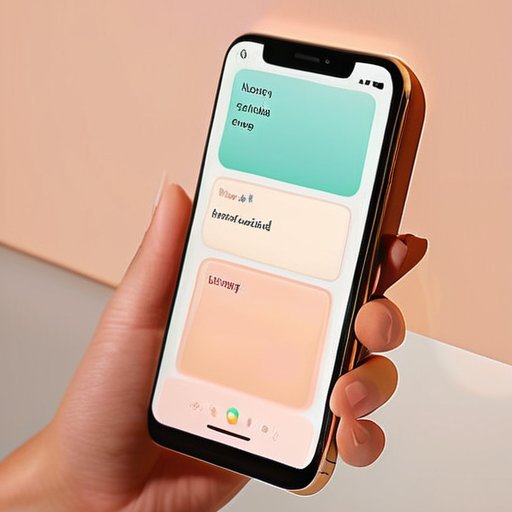
When you sketch a user’s emotional arc, the first thing that jumps out is how a single line of microcopy that conveys empathy can turn a routine task into a comforting conversation. By weaving trust‑building UI elements—soft shadows, subtle color shifts, and responsive feedback—into each step, designers create a sense of safety before the user even clicks “submit.” Mapping those moments on a journey board lets the team ask, “What would a caring friend say here?” and then translate that answer into a concise, human‑sounding tooltip or a reassuring error message. The result is a flow that feels less like a machine and more like a companion guiding you forward.
Once the skeleton is in place, the next layer is human‑centered AI interaction. Applying emotional AI UX principles means letting the system read cues—tone, timing, even pause length—and adjust its responses accordingly. A chatbot that mirrors a user’s sentiment or a notification that softens its language when stress is detected taps into the psychology of warmth in digital design, turning data into genuine rapport. By treating each interaction as a dialogue rather than a transaction, designers craft experiences where users instinctively trust the interface, and the technology quietly earns a place at the table of everyday life.
Humancentered Ai Interaction Building Trust Through Warmth
Imagine opening a health‑app that greets you by name, asks how your day went, and subtly mirrors your mood with a gentle color shift. That simple gesture tells users the system is listening, not just crunching data. When designers weave empathetic tone into every prompt, the AI feels less like a cold algorithm and more like a supportive companion, instantly lowering the barrier to honest interaction.
That trust isn’t a happy accident; it’s the result of a human‑first design loop where real users co‑write the dialogue, flag awkward phrasing, and see their feedback reflected in the next update. Transparency about data use, paired with warm micro‑interactions—like a brief, reassuring animation after a successful entry—turns uncertainty into confidence, making the AI feel like a trusted teammate rather than a mysterious black box. That’s the warm foundation every future interface should stand on.
Microcopy That Conveys Empathy the Secret Ux Ingredient
When a user bumps into a dead‑end, the gap between a “404” and a friendly “Oops, looks like that page took a coffee break!” can be the line between abandonment and a smile. Those few characters act as the sauce of an empathetic interface; they whisper, “I’ve got you,” without demanding attention. Swapping “Error” for “Whoops, something went sideways” turns a hiccup into a human moment, proving that tiny words, big impact matter.
But the magic doesn’t appear automatically. It’s the result of listening to users, iterating phrasing, and letting the product speak in a voice that feels like a friend. AB tests that compare “Your session has expired” with “Looks like you’ve been away a while—let’s get you back in” reveal engagement gains. The takeaway? A genuine listening tone can turn friction into connection, and that’s hidden power of microcopy.
When Machines Feel the Psychology Behind Emotional Ai Ux

When a screen greets you with a gentle, human‑like tone, it isn’t just clever copy—it taps into the psychology of warmth in digital design. Researchers have shown that subtle cues such as soft gradients, rounded corners, and conversational language trigger the brain’s social‑affiliation circuitry, the same pathways that light up when we meet a friendly face. By designing empathetic user interfaces that echo these cues, designers create trust‑building UI elements that feel less like a machine and more like a supportive companion, turning first‑time clicks into lasting relationships.
Beyond visual gestures, the language we choose can make an AI feel genuinely caring. Microcopy that conveys empathy—a brief “I’m here if you need help” or a reassuring “Let’s try that together”—acts as a psychological bridge, reinforcing the human‑centered AI interaction ethos. When these snippets follow the emotional AI UX principles of relevance, timing, and sincerity, users report higher satisfaction and a stronger sense of safety. In practice, this means every tooltip, error message, and onboarding step is crafted not just for clarity, but to echo the warmth of a real‑world conversation, solidifying the bond between person and product.
Crafting Warmth Ui Elements That Speak Trust
When a user lands on a screen, the first thing they notice isn’t the layout but the feeling the interface radiates. Gentle gradients, warm color palettes, and soft, rounded corners instantly lower the cognitive guard, making the product feel like a friendly companion rather than a sterile tool. Even a subtle bounce on a button press whispers, “I’m here to help,” turning a simple tap into a reassuring gesture.
Beyond visual cues, the way we talk to users builds the trust bridge. When error messages appear, framing them as gentle nudges—“Oops, let’s try that again together”—shifts frustration into collaboration. Pair that tone with clear, human‑first microcopy and subtle progress indicators, and users feel heard. The result? A UI that doesn’t just function, but actively welcomes users into a partnership for the long haul, and keep them coming back, every day.
Designing Empathetic User Interfaces From Theory to Prototype
Turning abstract empathy models into tangible screens starts with a simple question: what does a caring gesture look like in code? First, map out the emotional triggers you identified during research—like a user’s frustration after a failed input—and decide on a visual cue, a soft animation, or a reassuring tone that acknowledges that feeling. Those emotional micro‑moments become the scaffolding for every button, tooltip, and transition.
Once the storyboard is sketched, jump into a prototype tool and embed those cues as interactive components. Run usability sessions where participants are asked not just what they see, but how they feel during the flow. Capture moments of relief, surprise, or lingering doubt, then iterate the timing, color temperature, or voice pitch until the experience consistently conveys genuine concern. Those human‑first feedback loops are the secret sauce that turns a polite UI into a companion.
5 Human‑First Hacks to Make Your Interface Feel Alive
- Speak the user’s language—use conversational microcopy that mirrors real‑life tone.
- Mirror emotions—leverage subtle animations or color shifts that respond to user sentiment.
- Offer choice—let users set their preferred level of warmth, from formal to friendly.
- Build trust with transparency—explain why the system reacts the way it does.
- Keep feedback loop tight—use quick, empathetic responses to acknowledge user actions.
Key Takeaways
Empathy‑first microcopy turns functional text into a warm, trust‑building conversation.
Designing UI elements that echo human gestures—like subtle animations or responsive tone—creates a sense of presence and safety.
Aligning AI behavior with genuine emotional cues bridges the trust gap, turning users into engaged partners rather than passive observers.
The Pulse of Interaction
“When technology learns to feel, it stops being a tool and becomes a companion—turning every click into a conversation.”
Writer
Wrapping It All Up
Throughout this piece we have traced how Emotional Human Interfaces turn cold code into a caring conversation. By anchoring every interaction in human‑first principles, designers can weave trust into the very fabric of an app, from the subtle tone of micro‑copy to the warm arcs of a button that seems to smile back across platforms and contexts. We saw how psychological insights about mirror neurons and affective forecasting guide the choice of colour, animation, and timing, turning UI elements into silent listeners. The result is an ecosystem where emotional resonance isn’t an afterthought but the core engine that keeps users coming back. That shift translates directly into higher retention and deeper brand affinity.
In the years ahead, the real frontier will be less about building smarter algorithms and more about nurturing empathetic ecosystems. Imagine a world where every digital doorway greets you by name, senses your day‑long stress, and subtly adjusts its voice to match your mood—this is the promise of EHI. As designers, we become empathy engineers, tasked with teaching machines to listen before they answer. If we dare to embed warmth at the pixel level, we’ll give users not just a tool, but a companion that respects their feelings. Let’s seize this chance to make technology feel like home, and let trust be the silent contract that binds us.
Frequently Asked Questions
How can designers ensure that an Emotional Human Interface feels genuinely empathetic rather than just superficially friendly?
Start by grounding every interaction in real user research—listen to the moments people feel frustrated, excited, or vulnerable. Then let those insights shape tone, timing, and visual cues so the UI mirrors a caring conversation, not a generic script. Use microcopy that acknowledges feelings, offers genuine options, and avoids over‑polite fluff. Test with diverse users, iterate on tone‑of‑voice, and be transparent about the system’s limits; authenticity wins trust.
What ethical considerations arise when AI systems detect and respond to users’ emotions in real‑time?
When an AI reads your mood in real time, a few ethical alarms go off. First, consent: users must be told what emotional data is collected and agree to it. Second, privacy: mood signals are intimate, so they need strong protection. Third, bias: misreading cultural cues can lead to wrong assumptions. Fourth, manipulation: real‑time feedback could nudge behavior, threatening autonomy. Finally, transparency: the system should explain how it interprets and uses your emotions.
Which microcopy techniques are most effective for conveying warmth and trust in an emotionally aware UI?
The most potent microcopy tricks are conversational tone, first‑person language, and active‑listening cues. Use short, friendly greetings like “Hey there, how can I help you today?” Sprinkle simple affirmations (“Got it!”, “I’m on it”) to show you’re paying attention. Personalize with the user’s name, acknowledge feelings (“I see this is frustrating”), and offer clear next steps. Keep sentences warm, jargon‑free, and always close with a reassuring note that builds confidence and keeps them coming back.