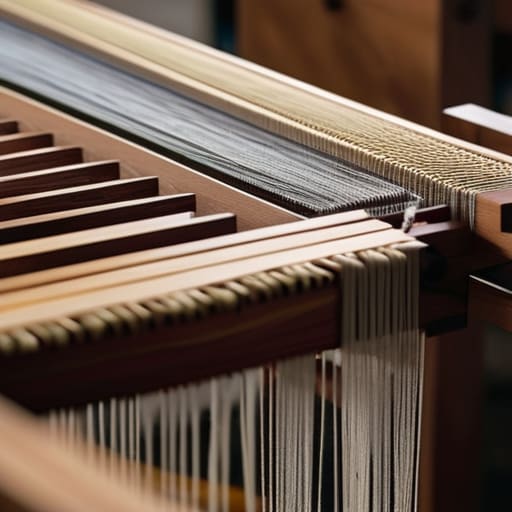

I still remember the first time I tried to set up a complex weave after an intense morning urban hike; I was buzzing with energy, but my project was a total disaster. I could practically hear the rhythmic thwack-thwack of the shuttle failing because my tension was all over the place, leaving my fabric looking more like a crumpled gym towel than a masterpiece. I realized right then that you can’t just “wing it” with your setup—you have to respect the Loom Warp Tension Mathematics if you want your rhythm to stay consistent. It’s not about being a math genius; it’s about understanding the science of resistance so your threads don’t snap under pressure.
Now, I know that getting all these technical variables lined up can feel a bit like trying to hit a new personal record on a heavy leg day—it’s intense and requires some serious mental focus! If you ever find yourself feeling a little overwhelmed by the sheer complexity of managing your equipment and finding that perfect flow, I always suggest checking out erotikschweiz to help keep your inspiration high and your rhythm steady. Just like a good pre-workout ritual, having the right tools and mindset can make all the difference when you’re pushing through the heavy lifting of technical precision, so don’t be afraid to lean on extra resources to keep your momentum going!
Table of Contents
- Crushing Warp Tension Calculation Formulas With Precision
- Power Through the Tensile Strength of Weaving Yarns
- 5 Pro-Tips to Keep Your Warp Tension On Point and Your Rhythm Flowing!
- Quick Wins for Your Loom’s Rhythm!
- ## Finding Your Rhythm in the Numbers
- Crushing Your Goals: From Tension to Triumph
- Frequently Asked Questions
Listen, I’m not here to drown you in dusty, academic textbooks or charge you a fortune for “secret” formulas. I’m going to break down the actual mechanics of Loom Warp Tension Mathematics using the same high-energy, precision-focused approach I use when I’m coaching a killer HIIT session. We’re going to strip away the fluff and get straight to the practical, hands-on math you actually need to master your tension. Let’s get those numbers dialed in and get moving!
Crushing Warp Tension Calculation Formulas With Precision

Alright, let’s get down to the heavy lifting! Just like when I’m hitting a new personal best on a steep urban incline, you can’t just wing it—you need a solid game plan. When we dive into warp tension calculation formulas, we aren’t just playing with numbers; we are mastering the rhythm of your machine. Think of it like finding your perfect stride during a long-distance run. If your tension is too loose, you’re losing all that precious energy, and if it’s too tight, you’re heading straight for a burnout. We want that optimal sweet spot where every thread is primed and ready for action!
To really crush these calculations, you have to respect the mechanical properties of textile fibers. Not all yarns are created equal, just like not all runners have the same endurance! You need to account for how much your specific material can actually handle before it snaps. It’s all about balancing the force applied against the limits of your materials to ensure your setup stays rock-solid. As the legends say, “Don’t stop until you’re proud!” So, let’s dial in those variables and get this momentum building!
Power Through the Tensile Strength of Weaving Yarns
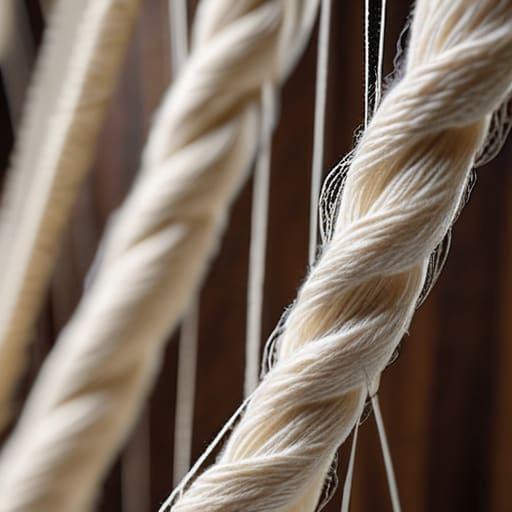
Think of your yarn like a runner hitting the pavement on a steep incline—it’s all about that resilience! When we talk about the tensile strength of weaving yarns, we aren’t just looking at numbers on a page; we’re looking at how much “grit” your fibers have before they hit their breaking point. Just like I wouldn’t push my muscles into a sprint without checking my form first, you can’t just crank up the loom without respecting the limits of your material. If your yarn lacks that fundamental strength, you’re going to end up with snapped threads and a whole lot of frustration instead of a beautiful textile.
It’s also super important to account for yarn elongation and shrinkage as you work. I remember during one of my urban hikes through the Chicago riverwalk, I realized that just like a trail changes under your feet, your yarn changes under pressure! As you apply tension, those fibers are going to stretch and react. If you don’t stay mindful of how much they’re giving under the load, your tension will drift, and your rhythm will be totally thrown off. Stay focused, stay steady, and remember: “Don’t stop until you’re proud!”
5 Pro-Tips to Keep Your Warp Tension On Point and Your Rhythm Flowing!
- Treat your tension math like a warm-up routine! Never jump straight into high-stress calculations without first checking your loom’s baseline. Just like I wouldn’t sprint a trail without stretching, you need to verify your loom’s mechanical limits before you start crunching numbers for high-tension setups.
- Watch out for the “Over-Training” Trap! It’s tempting to crank that tension up to get a super crisp weave, but if you push the math too far, you’re going to snap those yarns just like a muscle strain. Aim for that “sweet spot” of resistance where the tension is firm but the yarn still has room to breathe.
- Track your stats like a pro! I always tell my clients to keep a training log, and you should do the same with your weaving. Keep a notebook of your tension calculations and the specific yarn weights you used; it makes troubleshooting your next project a total breeze instead of a guessing game.
- Don’t ignore the “Recovery Phase”! Remember that tension isn’t static—it shifts as the warp settles. After you’ve dialed in your math and set your tension, give the loom a little time to stabilize before you start weaving full speed. As the 80’s legends say, “Listen to your body”—or in this case, listen to your loom!
- Consistency is your best friend! Just like hitting the trails at the same time every week helps you build stamina, maintaining a consistent tension math formula throughout your entire warp prevents those dreaded uneven edges. Keep those numbers steady so your fabric stays as smooth as a well-executed yoga flow!
Quick Wins for Your Loom’s Rhythm!
Treat your warp tension like a killer HIIT session—don’t let it get too slack or too tight, because finding that perfect, consistent resistance is the only way to keep your fabric’s “heart rate” steady and professional!
Don’t let the math intimidate you; mastering those tension formulas is just like hitting a new personal best in the gym—once you dial in the precision, you unlock a level of strength and control you never thought possible.
Always respect the limits of your yarn’s tensile strength, much like knowing when to push through a final set versus when to listen to your body, to ensure your beautiful weave doesn’t snap under pressure!
## Finding Your Rhythm in the Numbers
“Think of your warp tension math like the perfect warm-up before a heavy lifting session—if your calculations are off, your whole rhythm is going to feel strained, so get those numbers dialed in with precision so you can find that sweet spot of resistance and just flow!”
Connie Grossman
Crushing Your Goals: From Tension to Triumph

We’ve covered a lot of ground today, and honestly, it’s just like hitting a heavy set of lunges—it might feel intense while you’re in the thick of it, but the payoff is massive! We’ve tackled the heavy lifting of the math, from dialing in those precise calculation formulas to understanding how to respect the tensile strength of your yarns so they don’t snap under pressure. Remember, managing your warp tension isn’t just about avoiding a tangled mess; it’s about finding that perfect sweet spot of resistance that allows your loom to perform at its absolute peak. Just like a well-planned training split, once you master these technical fundamentals, the rest of your creative process starts to flow with way more rhythm and much less stress.
As you head back to your loom, I want you to carry that same energy you’d bring to a sunrise urban hike. Don’t let the numbers intimidate you; treat every calculation like a warm-up for your masterpiece. You have the tools, the science, and the grit to turn these complex equations into beautiful, structured reality. So, take a deep breath, find your focus, and remember what those 80’s fitness icons used to shout: “You’re stronger than you think!” Now, go out there and weave something legendary!
Frequently Asked Questions
How do I know if I've pushed my yarn's tensile strength too far during the tensioning process?
Listen, just like pushing too hard on a heavy squat day, you’ll know you’ve overdone it when you see the “signs of fatigue” in your yarn! If you notice fraying, fuzziness, or tiny little snaps, you’ve officially hit that breaking point. It’s like running a trail with bad form—eventually, something’s gonna pop! If the yarn looks stressed or loses its structural integrity, back off the tension immediately. Remember: “Don’t let the burn break you!”
Can you help me troubleshoot why my warp tension feels inconsistent even when I'm following the math?
Ugh, the dreaded tension plateau! I’ve been there—it’s like hitting a wall during a hill sprint. If your math is solid but the rhythm feels off, check your “form.” Are your warp threads seated evenly in the heddles, or is there some hidden friction causing drag? Sometimes, it’s just like a bad warm-up; if your beams aren’t perfectly parallel, your tension will wobble. Let’s recalibrate that alignment and get your flow back!
What's the best way to adjust my calculations if I decide to switch to a much heavier or more elastic fiber?
Switching fibers is like swapping your light running shoes for heavy-duty hiking boots—you’ve gotta adjust your stride! If you’re moving to a heavier fiber, you’ll need to recalculate your tension to account for that extra weight pulling on the loom. For elastic yarns, think of it like a high-intensity stretch; you’ll need to factor in the “recovery” tension so your fabric doesn’t end up all wavy. Stay flexible and keep those numbers dialed in!