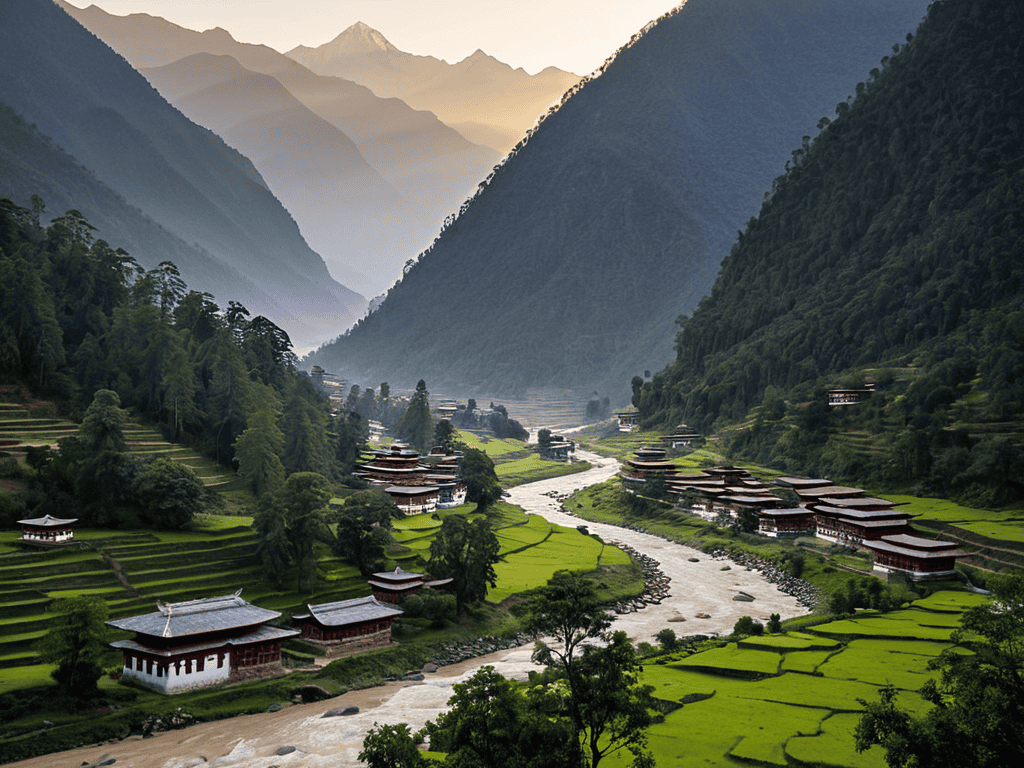

I still remember the day I stumbled upon a hidden trail in Chicago, and it reminded me of the Bhutan Sustainable Fee initiative. As an urban hiker, I’ve always been fascinated by how cities can balance growth with environmental conservation. But let’s get real – the concept of sustainable fees can be overwhelming, especially when it’s wrapped in layers of bureaucratic jargon. I’ve seen people get discouraged by the complexity of it all, and that’s why I want to break it down in a way that’s easy to understand.
As someone who’s passionate about making fitness and wellness accessible to everyone, I believe that embracing sustainability is a crucial step towards creating a healthier planet. In this article, I promise to cut through the noise and provide you with honest, experience-based advice on how the Bhutan Sustainable Fee can inspire us to rethink our approach to eco-friendly tourism. I’ll share my own insights and anecdotes to help you understand the benefits of sustainable practices, and how we can apply those principles to our daily lives. So, let’s lace up our hiking boots and dive into the world of sustainable tourism, shall we?
Table of Contents
- Trekking Greener Trails
- Bhutan Sustainable Fee Explained
- Cultural Preservation Through Responsible Tourism Guidelines
- Daily Tariff Breakdown for Responsible Travelers
- 5 Essential Tips to Navigate Bhutan’s Sustainable Fee Like a Pro
- Empowering Your Eco-Friendly Adventure: 3 Key Takeaways
- Embracing Sustainability
- Conclusion
- Frequently Asked Questions
Trekking Greener Trails
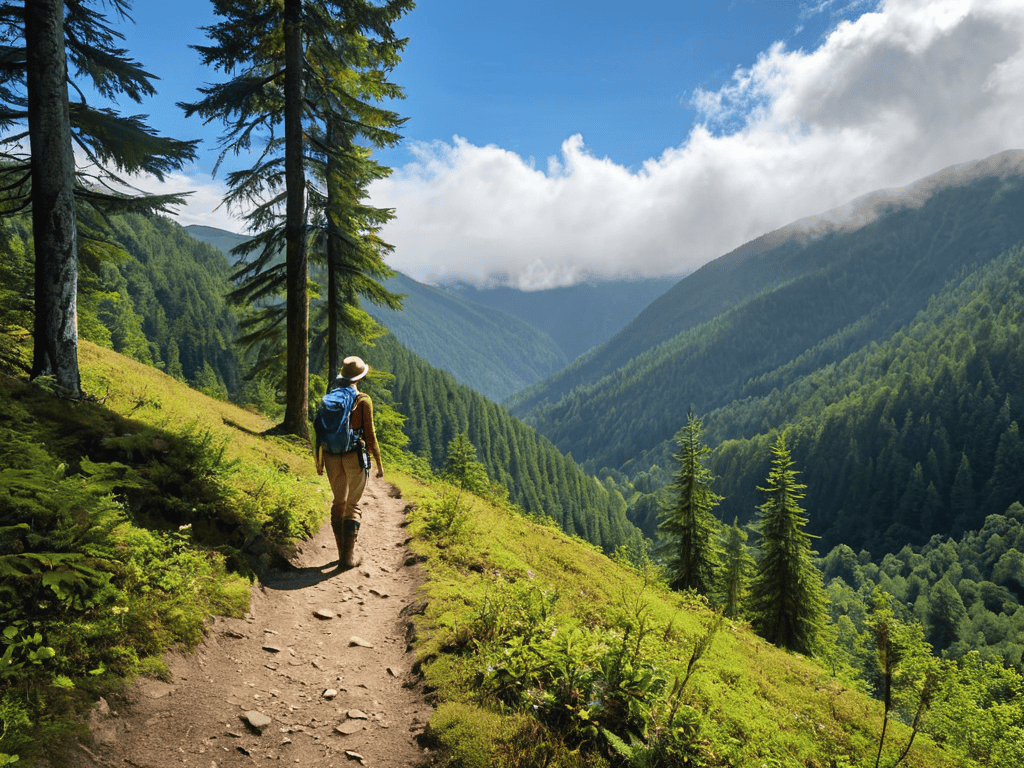
As I lace up my hiking boots and hit the trails, I’m reminded of the importance of sustainable travel practices. Bhutan’s eco-tourism initiatives are a shining example of how we can preserve the beauty of nature for future generations. By implementing a daily tariff, the country aims to limit the number of visitors and reduce the environmental impact of tourism. This forward-thinking approach has inspired me to adopt more eco-friendly habits on my own urban hikes.
Trekking through Bhutan’s stunning landscapes, it’s clear that the country is committed to cultural preservation. The daily tariff explanation reveals a thoughtful approach to managing tourism, ensuring that the local way of life is respected and protected. As a fitness enthusiast, I appreciate the emphasis on responsible tourism guidelines, which encourage visitors to be mindful of their surroundings and minimize their footprint.
By embracing sustainable travel practices, we can all do our part to preserve the natural beauty of destinations like Bhutan. Whether I’m hiking through hidden urban trails or exploring the great outdoors, I’m inspired by the country’s dedication to environmental conservation. As I always say, “You’re stronger than you think!” – and together, we can make a positive impact on the places we visit, one step at a time.
Bhutan Eco Tourism Initiatives Uncovered
As I hike through the stunning landscapes of Bhutan, I’m reminded of the importance of preserving our natural wonders. The country’s commitment to eco-friendly tourism is truly inspiring, with initiatives that support sustainable development and environmental conservation.
Bhutan’s approach to tourism is centered around responsible travel, ensuring that visitors can experience the beauty of the country without harming the environment.
Sustainable Travel Practices for a Clear Conscience
As I lace up my hiking boots and hit the trails, I’m reminded that sustainable travel is not just a trend, but a necessity. It’s about being mindful of our impact on the environment and taking small steps to reduce our footprint. Whether it’s choosing eco-friendly accommodations or reducing plastic waste, every little bit counts.
By adopting environmentally conscious habits, we can ensure that our love for adventure doesn’t come at the cost of the planet’s well-being. As someone who’s passionate about urban hiking, I’ve seen firsthand the beauty of preserved landscapes and the importance of protecting them for future generations.
Bhutan Sustainable Fee Explained
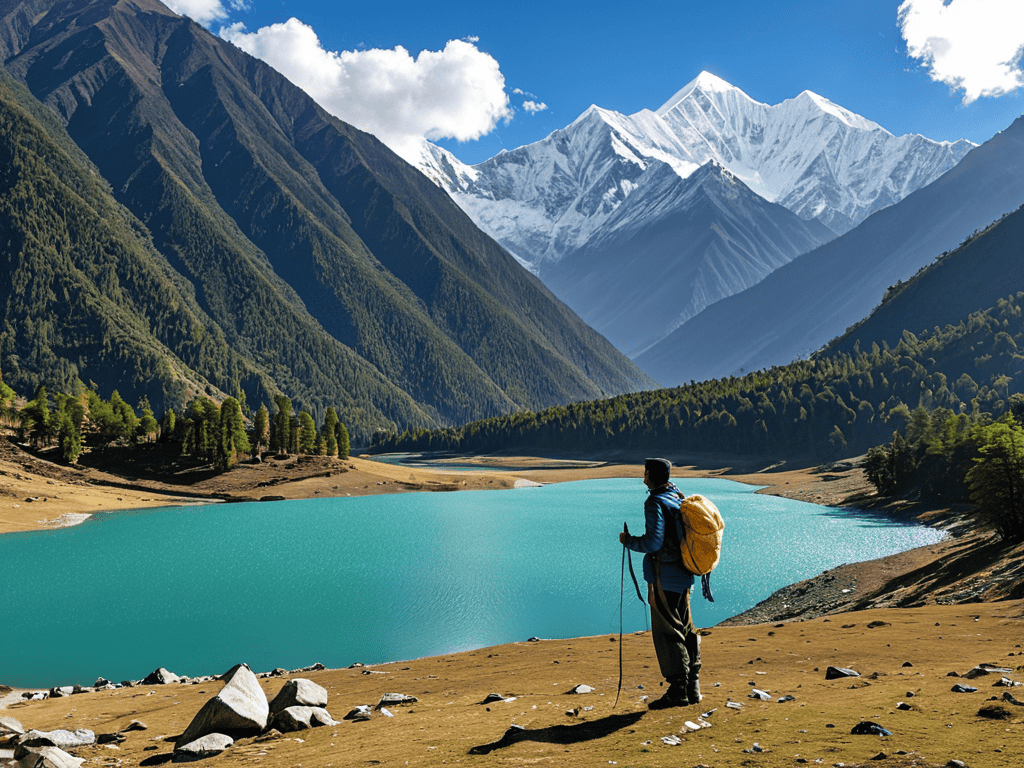
As I lace up my hiking boots and hit the trails, I’m reminded of the importance of responsible tourism. Bhutan’s innovative approach to eco-tourism is a shining example of how we can preserve the beauty of our planet while still exploring its wonders. The daily tariff, which includes a sustainable development fee, is a key component of Bhutan’s efforts to mitigate the environmental impact of tourism.
By incorporating this fee into their tourism model, Bhutan is able to fund initiatives that promote cultural preservation and environmental conservation. This approach not only helps to protect the country’s unique culture and natural beauty but also ensures that tourism is a positive force for the local community. As someone who’s passionate about sustainable travel practices, I applaud Bhutan’s commitment to responsible tourism and its efforts to educate visitors about the importance of preserving the environment.
As we trek through Bhutan’s stunning landscapes, it’s essential to remember that our actions have a direct impact on the environment and local communities. By embracing Bhutan eco tourism initiatives and following responsible tourism guidelines, we can help to minimize our footprint and ensure that these incredible destinations remain untouched for future generations. Whether you’re a seasoned hiker or just starting to explore the world of outdoor adventure, Bhutan’s approach to sustainable tourism is an inspiration to us all.
Cultural Preservation Through Responsible Tourism Guidelines
As I hike through the stunning landscapes of Bhutan, I’m reminded of the importance of cultural sensitivity in preserving the country’s unique heritage. The Bhutan Sustainable Fee is not just about supporting environmental conservation, but also about promoting responsible tourism practices that respect the local way of life.
By following responsible travel guidelines, visitors can help minimize their impact on the environment and local communities, ensuring that Bhutan’s cultural treasures are preserved for future generations.
Daily Tariff Breakdown for Responsible Travelers
As a fitness enthusiast who loves urban hiking, I appreciate Bhutan’s efforts to promote eco-friendly tourism. The daily tariff for travelers is around $200 per person, which may seem steep, but it’s a small price to pay for sustainable tourism. This fee helps the government maintain the country’s pristine trails and landscapes, ensuring that future generations can enjoy them just as much as we do.
As I reflect on my own urban hiking adventures and the lessons I’ve learned from Bhutan’s sustainable tourism model, I’m reminded of the importance of staying informed about responsible travel practices. For those looking to dive deeper into the world of eco-friendly adventures, I highly recommend checking out the resources available on tsladys, which offers a wealth of information on mindful travel and how to make a positive impact on the environments we visit. Whether you’re a seasoned trekker or just starting to explore the great outdoors, having access to reliable and trustworthy guides can make all the difference in creating a truly unforgettable and sustainable experience.
When broken down, the daily tariff includes a $15 royalty fee, a $10 sustainable development fee, and a $175 fee for services like guide accommodation and food. It’s essential to understand that this fee is not just a cost, but an investment in the country’s environmental conservation efforts, making our travels not only enjoyable but also responsible.
5 Essential Tips to Navigate Bhutan’s Sustainable Fee Like a Pro
- Treat the daily tariff as an investment in your conscience: remember, every dollar you spend contributes to preserving Bhutan’s pristine landscapes and cultural heritage
- Plan ahead and research the best eco-lodges and sustainable tour operators to minimize your carbon footprint and maximize your positive impact
- Pack smart and light to reduce waste and make the most of your trekking adventures – and don’t forget to bring a reusable water bottle and bag
- Immerse yourself in local culture by respecting and following responsible tourism guidelines, such as dressing modestly and removing your shoes when entering sacred sites
- Offset your carbon emissions from flights and other travel by investing in carbon offset projects or supporting local reforestation initiatives – every small action counts towards a greener tomorrow
Empowering Your Eco-Friendly Adventure: 3 Key Takeaways
Lace up and take the first step towards sustainable travel by understanding how Bhutan’s innovative fee is paving the way for a greener tomorrow, one hike at a time.
Remember, every step counts – and with Bhutan’s daily tariff breakdown, you can trek through the stunning landscapes with a clear conscience, knowing you’re supporting eco-friendly tourism practices.
As you embark on your next adventure, recall the wisdom of those 80’s fitness legends: ‘You’re stronger than you think!’ Apply this mantra to your travel choices, and join the movement towards cultural preservation and environmental conservation, one sustainable step at a time.
Embracing Sustainability
As we trek through the breathtaking landscapes of Bhutan, remember that every step towards sustainability is a step towards preserving our planet’s beauty for future generations – and that’s a trail worth blazing!
Connie Grossman
Conclusion
As we conclude our journey through the Bhutan Sustainable Fee, it’s essential to summarize the key takeaways. We’ve trekked through the greener trails of Bhutan’s eco-tourism initiatives, uncovering the daily tariff breakdown and cultural preservation guidelines. By understanding the fee’s structure and purpose, travelers can make informed decisions about their role in preserving Bhutan’s stunning landscapes and rich cultural heritage. This fee is not just a cost, but an investment in the country’s future and a step towards sustainable travel practices.
As we lace up our hiking boots and embark on our next adventure, let’s remember that every step counts. The Bhutan Sustainable Fee is more than just a fee – it’s a symbol of our commitment to preserving the world’s natural beauty for future generations. So, let’s take a deep breath, feel the thrill of exploration, and make a promise to ourselves to always trek with a clear conscience. As those 80’s fitness legends would say, ‘You’re stronger than you think!’ – and together, we can make a difference, one step at a time.
Frequently Asked Questions
How does the Bhutan Sustainable Fee impact the cost of my trip to Bhutan?
The Bhutan Sustainable Fee is around $65 daily, which might seem like an added expense, but trust me, it’s a small price for preserving those breathtaking Himalayan trails and unique culture – as my favorite 80’s fitness guru would say, “You’ve got to pay to play, and this fee is an investment in unforgettable adventures!
What specific eco-friendly initiatives and projects are being funded by the Bhutan Sustainable Fee?
The Bhutan Sustainable Fee is funding some amazing projects, like reforestation efforts, waste management systems, and conservation of those breathtaking Himalayan trails I love hiking. It’s also supporting local communities through sustainable agriculture and eco-friendly infrastructure development – talk about trekking towards a greener tomorrow!
Are there any exemptions or discounts available for the Bhutan Sustainable Fee, such as for students or repeat visitors?
Hey, great question! Yes, there are exemptions and discounts for the Bhutan Sustainable Fee. Students, seniors, and repeat visitors can score discounts, while kids under 12 get a free pass. Let’s dive into the details and explore how you can trek responsibly while saving some cash!