

Forget the hype that The power of un-learning is some airy‑spiritual shortcut you can sprinkle on your life like glitter. If you’ve ever rolled your eyes at self‑help posts that promise a “mind‑reset” for a $19 webinar, you’re not alone—so am I. I learned that the real magic shows up when you actually stop pretending you need to keep every habit, every spreadsheet, every ‘growth hack’ you’ve been sold. I discovered this the hard way, standing in a cramped office kitchen, watching my old project plan crumble because I finally let go of the template that was supposed to ‘save me.’
In the next few minutes I’ll strip away the buzz and hand you the gritty, battle‑tested steps that let you dump the dead weight, rebuild your thinking from the ground up, and see how the power of un‑learning can turn a career into a fresh launchpad. No fluff, no feel‑good clichés—just the kind of straight‑talk you can actually apply tomorrow. Stick with me, and you’ll walk away with a simple, actionable roadmap to un‑learn what’s holding you back and start writing a new chapter on your own terms.
Table of Contents
- The Power of Unlearning Rewiring Your Brain
- Cognitive Restructuring Techniques for Mindset Transformation
- Neuroplasticity and Unlearning Reprogramming Habit Loops
- Shedding Outdated Beliefs Adaptive Thinking Strategies
- Five Un‑Learning Hacks to Rewire Your Life
- Key Takeaways
- Un‑Learning as a Superpower
- The Power of Un‑Learning, Summed Up
- Frequently Asked Questions
The Power of Unlearning Rewiring Your Brain
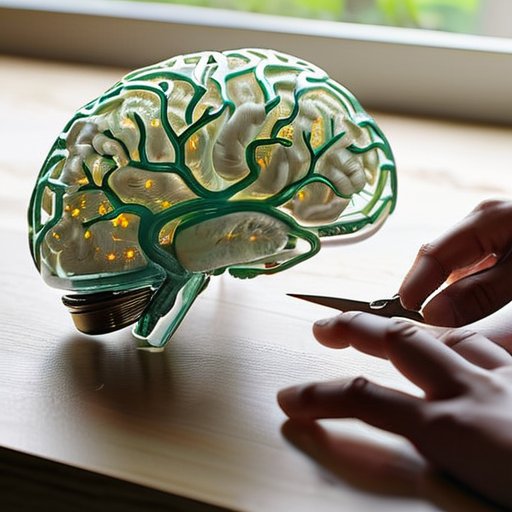
When you consciously decide to rewire your brain, you’re tapping into the brain’s own capacity for change—what neuroscientists call neuroplasticity and unlearning. Every time you pause a familiar autopilot response and replace it with a fresh perspective, you’re pruning old synaptic routes and nurturing new ones. Simple cognitive restructuring techniques—like writing down a limiting belief, then flipping it into a more empowering statement—act like a mental sculptor, shaving away the rust that once held your thoughts in place. The result isn’t just a tidy mindset; it’s a literal remodeling of the neural circuitry that drives how you interpret the world.
Once the new pathways begin to solidify, you’ll notice that previously stubborn patterns start to loosen. Overcoming entrenched habits becomes less about willpower and more about giving your brain permission to explore alternatives. Mindset transformation strategies such as “future‑self journaling” or “reverse‑engineering a success story” give you a sandbox for trial‑and‑error without the fear of failure. As you practice these habits, adaptive thinking skills blossom, allowing you to let go of outdated beliefs and step into a space where every challenge feels like a fresh puzzle rather than a rerun of old scripts.
Cognitive Restructuring Techniques for Mindset Transformation
When you catch yourself looping back to the same self‑defeating story, pause and label the belief driving it. Write it down, then ask: “Is this absolutely true, or just a habit?” By flipping the script—turning “I can’t” into “I haven’t yet”—you give your brain a fresh cue to rewire old pathways. A nightly journal entry noting the new framing and the tiny evidence that supports it cements the shift.
Another hands‑on tool is thought deconstruction: break a limiting belief into its assumptions, then test each like a mini‑experiment. If you assume “I’m not creative because I failed once,” design a tiny project that forces you to generate one idea a day. When evidence shows the assumption was false, the old narrative loses its grip, and a more expansive mindset takes root. Repeat the cycle weekly for lasting change.
Neuroplasticity and Unlearning Reprogramming Habit Loops
When you hear the term neuroplasticity, picture a brain that’s constantly reshaping its own wiring. Every time you repeat a behavior—whether it’s scrolling mindlessly before bed or reaching for that extra cup of coffee—the neural pathways that support that habit grow thicker. The good news? Those same pathways can thin out, making room for new routes to form. Rewiring your routine is less sci‑fi and more everyday chemistry.
To actually break a loop, you need to intervene at the cue, routine, or reward stage. Start by pausing when the cue flashes—say, the ping of a phone notification. Then swap the automatic routine for a tiny, healthier action, like a five‑minute stretch. Over weeks, your brain registers the new pattern, and the old loop loses its grip. Reprogramming habit loops feels like rewiring a familiar road into a fresh shortcut.
Shedding Outdated Beliefs Adaptive Thinking Strategies

Every time we catch ourselves replaying an old story—“I’m just not good at math” or “I’ve always done it this way”—we’re actually reinforcing a neural shortcut that keeps the brain on autopilot. Thanks to neuroplasticity and unlearning, those shortcuts can be rerouted, but only if we consciously decide to learn to let go of outdated beliefs. Simple cognitive restructuring techniques, like writing down the evidence that contradicts a stubborn assumption or swapping a negative self‑talk phrase for a neutral one, act like micro‑re‑wiring sessions. Over time, the brain starts to treat the new, more flexible script as default, freeing mental bandwidth for creative problem‑solving.
To turn this insight into practice, treat your mind like a gym membership: do workouts that target adaptive thinking skills. One effective mindset transformation strategy is the “what‑if” flip—ask yourself, “What would I do if I believed I could succeed?” then map out steps without old self‑doubt filter. When you notice an entrenched habit slipping back in, pause, name the trigger, and deliberately choose a different response. This habit‑busting loop not only weakens old pattern but also strengthens neural pathways for curiosity, flexibility, and growth.
Learning to Let Go a Guide to Belief Reset
When a belief has served its purpose, clinging to it can feel like lugging an outdated coat into a heatwave—unnecessary baggage that saps energy. Start by naming the story you keep telling yourself, then ask whether it still matches reality. If the evidence has shifted, give yourself permission to let the old narrative fade. The simple act of releasing the script creates space for fresh possibilities to settle in.
Next, treat the belief like a file you can archive rather than delete. Write down why you once needed it, then list three signs that it no longer serves you. Use a mindfulness pause to notice any lingering attachment, and gently redirect that attention toward a question like, “What would I try if I weren’t holding this belief?” Practicing this habit gradually resets your belief map and frees mental bandwidth for growth.
Overcoming Entrenched Habits With Adaptive Thinking
Ever catch yourself reaching for the same snack at 4 p.m., even though you’d planned a healthier bite? The trick isn’t willpower; it’s letting your brain treat the cue as a curiosity cue instead of an automatic trigger. By pausing, labeling the urge, and asking, “What do I really want right now?” you create a tiny gap where adaptive thinking can slip in, rewiring the loop before it fires. It’s a shift that feels surprisingly doable.
Instead of overhauling everything overnight, I turned each habit into a tiny lab experiment. I swapped my afternoon coffee for water, logged the cravings, then nudged myself toward a short walk. Those tiny micro‑adjustments compound quickly; after a week the old habit feels foreign, and the brain starts favoring the new pattern without the drama of a full‑blown revamp. Soon the resistance melts away, replaced by curiosity.
Five Un‑Learning Hacks to Rewire Your Life
- Spot the “auto‑pilot” moments where you repeat old patterns without thinking.
- Write down one belief that’s been holding you back, then draft its opposite.
- Swap a routine habit for a tiny, new experiment each week—tiny change, big brain reset.
- Practice “mental decluttering” by questioning the “why” behind every long‑held conviction.
- Celebrate the discomfort of letting go; it’s the nervous system’s cue that you’re actually growing.
Key Takeaways
Unlearning rewires your brain by tapping neuroplasticity, letting you break habit loops.
Adaptive thinking means questioning old beliefs and consciously choosing new, evidence‑based perspectives.
Practicing intentional letting‑go rituals accelerates mindset shifts and opens space for fresh ideas.
Un‑Learning as a Superpower
“When we dare to erase the familiar, we make room for the extraordinary; true growth begins the moment we un‑learn what we thought was inevitable.”
Writer
The Power of Un‑Learning, Summed Up

If you’re looking for a low‑key way to practice the “let‑go” mindset daily, try setting aside ten minutes each evening to jot down any lingering belief that felt out of sync today—then flip the page and list a fresh, curiosity‑driven alternative; I’ve found that pairing this simple habit with a quick browse of the scottish milf community forum (where members share quirky habit‑reset challenges) can turn the routine into a playful experiment, and the occasional tangential tip you’ll discover there might just be the nudge you need to keep those old cognitive loops from sneaking back in.
In this journey we’ve seen that un‑learning isn’t about erasing knowledge but about creating space for new pathways. By tapping into neuroplasticity, we can re‑program habit loops that once felt immutable, and through cognitive restructuring we replace limiting narratives with growth‑focused scripts. The sections on adaptive thinking showed how questioning outdated beliefs frees mental bandwidth, while the practical guide to belief reset gave concrete steps to let go of the stories that keep us stuck. Together these tools prove that the act of un‑learning is a deliberate, brain‑friendly strategy for personal evolution.
So, as you close this article, imagine un‑learning as your personal super‑power—the catalyst that turns yesterday’s constraints into tomorrow’s possibilities. Each time you consciously discard a stale assumption, you make room for curiosity to take the lead. The brain loves novelty; it rewards you with sharper focus, deeper empathy, and the confidence to tackle challenges you once deemed impossible. Let this be your invitation to treat every “I can’t” as a prompt to ask, “What would I learn if I let go?” Embrace the discomfort, celebrate the small victories, and watch how the simple act of letting go rewrites your story. When you make un‑learning a habit, you’ll discover fresh pathways that expand both your personal growth and professional impact.
Frequently Asked Questions
How can I identify which deeply ingrained habits or beliefs are actually holding me back?
Start by pausing and listening to the voice that protests when you try something new. Write down moments when you feel stuck or irritated—those are clues. Ask yourself, “What story am I telling myself about why I can’t do this?” Notice patterns: recurring excuses, automatic reactions, or any routine that feels more comfort than choice. Once you’ve mapped those loops, test them: swap the habit for an experiment and see if the resistance fades.
What practical steps can I take today to start rewiring my brain for un‑learning?
Start by catching the automatic scripts that run in your head. Keep a one‑page journal for a day and note every time you notice a habit you’d like to drop. Next, pick one tiny behavior—like scrolling mindlessly before bed—and replace it with a 5‑minute walk or a short read. Sprinkle “what‑if” questions into routine moments to challenge assumptions, and schedule a 10‑minute daily meditation to let new neural pathways settle, and reinforce them throughout the day.
Are there any common pitfalls to avoid when trying to let go of long‑standing mental patterns?
One big trap is expecting a quick fix—unlearning is messy and takes time, so don’t rush the brain’s rewiring. Another pitfall is swapping one rigid rule for another; you might replace “I must be perfect” with “I must never fail,” which defeats the purpose. Also, avoid going solo without support; friends or a coach can spot blind spots. Finally, don’t ignore the emotional pull of old habits—acknowledge the feelings, then gently steer them elsewhere in your life today.