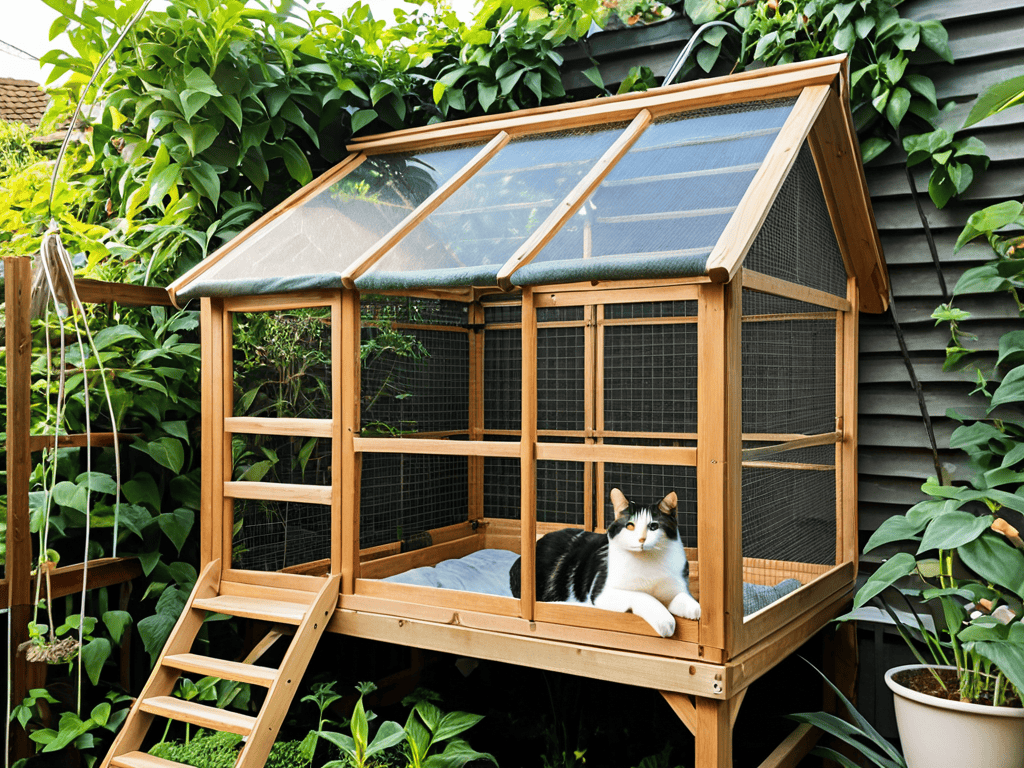

I still remember the day I decided to Building a Catio for my sister’s mischievous cat, Luna. As a fitness enthusiast and urban hiker, I was excited to apply my DIY skills to create a safe outdoor space for her to explore. But, I soon realized that many people believe building a catio is a daunting task that requires a lot of space and expertise. The truth is, with a little creativity and some basic tools, you can create a purr-fect outdoor enclosure for your feline friend.
In this article, I’ll share my personal experience and provide you with practical tips on how to build a catio that your cat will love. From choosing the right materials to designing a functional and fun space, I’ll guide you through the process with honest and straightforward advice. You’ll learn how to create a catio that fits your budget, available space, and your cat’s unique personality. So, let’s get started and make your cat’s dream a reality!
Table of Contents
Project Overview
Total Time: 4 hours 30 minutes
Estimated Cost: $200 – $500
Difficulty Level: Intermediate
Tools Required
- Circular Saw ((for cutting lumber))
- Drill ((with screwdriver and drill bits))
- Hammer
- Tape Measure ((for measuring spaces))
- Level ((to ensure even installation))
- Pliers ((for gripping small objects))
- Screwdriver ((flathead and Phillips))
- Wire Cutters ((for cutting wire mesh))
- Utility Knife ((with extra blades))
Supplies & Materials
- 2-in x 4-in lumber ((for framing))
- 2-in x 6-in lumber ((for support beams))
- 3/4 inch plywood ((for flooring and walls))
- Wire mesh ((for enclosure))
- Roofing materials ((such as asphalt shingles or corrugated metal))
- Doors and windows ((for entry and ventilation))
- Nails and screws ((for assembling structure))
- Waterproof glue ((for sealing gaps))
- Outdoor carpet or decking ((for flooring))
Step-by-Step Instructions
- 1. First, let’s get started by planning the purrfect space for our feline friends. This involves deciding on the size and location of the catio, taking into account the amount of space available and the sunlight patterns in your yard. Consider the type of activities your cat enjoys, such as climbing, scratching, or lounging, and plan accordingly.
- 2. Next, gather all the necessary materials, including wooden frames, wire mesh, screws, and a hammer. It’s essential to choose durable and weather-resistant materials to ensure the catio remains safe and comfortable for your cat throughout the year. Make a list and check it twice to avoid last-minute trips to the hardware store.
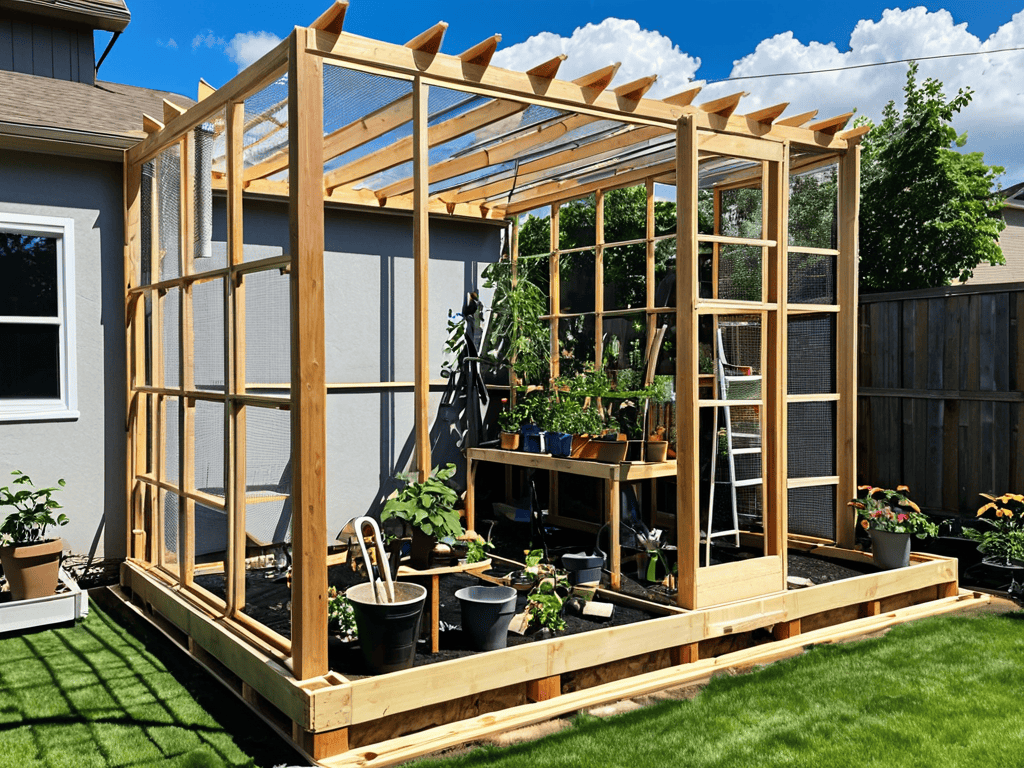
- 3. Now, let’s start building the frame of the catio. Begin by constructing the base and walls using the wooden frames, and then attach the wire mesh to provide a safe and secure enclosure. Remember to leave enough space for your cat to move around comfortably and to include any features you want, such as windows or a door.
- 4. Once the frame is built, it’s time to add some comfortable and cozy features for your cat to enjoy. This could include a bed, toys, or scratching posts. Consider adding some plants or a water feature to create a calming and natural atmosphere.
- 5. With the basic structure in place, it’s time to think about safety and security. Make sure the catio is escape-proof and that your cat cannot climb out or get stuck. You can add additional features such as a roof or netting to provide extra protection.
- 6. Now that the catio is taking shape, let’s add some fun and stimulating activities for your cat to enjoy. This could include tunnels, climbing walls, or interactive toys. Consider adding a catio door or window to allow your cat to come and go as they please.
- 7. Finally, let’s put the finishing touches on our catio by adding some decorative features and making sure everything is safe and secure. This could include adding a coat of paint or varnish to the wood, or installing a lock on the door to prevent unwanted visitors. With these final touches, your catio is now ready for your feline friend to enjoy.
Building a Catio
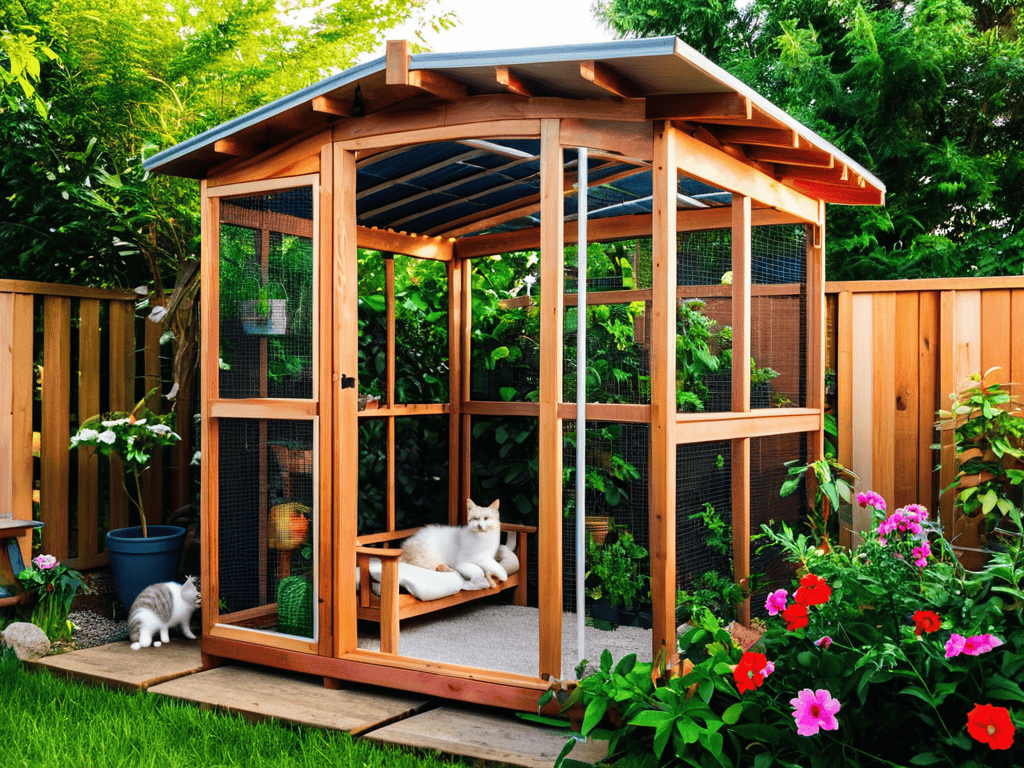
As I always say, “sweat is fat crying,” and I’m excited to share some extra tips to make your diy catio plans a reality. When it comes to choosing the right materials for your cat enclosure, consider using durable and weather-resistant options like cedar or recycled plastic. These materials will not only provide a safe and comfortable space for your feline friends but also withstand the elements.
To add an extra layer of protection and comfort, think about cat safety features like escape-proof fencing and catio screening options. These will help prevent your cats from getting injured or escaping, while also keeping pests and predators out. Additionally, incorporating feline friendly plants like catnip or wheat grass can provide a stimulating and enjoyable environment for your cats to explore.
As you bring your outdoor cat shelter ideas to life, remember to have fun and be creative. Consider adding outdoor cat shelter features like perches, tunnels, or scratching posts to keep your cats entertained and engaged. With a little imagination and some hard work, you can create a purrfect outdoor oasis for your feline friends to enjoy.
Feline Friendly Materials Inside
When it comes to creating a feline paradise, the materials you choose are just as important as the design. I always say, “Sweat is fat crying,” and our feline friends will surely be sweating out joy in their new catio. For the structure, consider using durable woods like cedar or pine, which are naturally resistant to rot and insects. Add some comfy bedding like recycled plastic or natural fibers, and don’t forget to incorporate some scratching posts and pads to keep those claws in tip-top shape. As I always quote from my favorite 80’s fitness video, “You’ve got to want it to win it” – and your cat will surely want to spend hours in this purrfectly designed space.
Purr Fect Diy Catio Plans Unleashed
Now that we’ve got the basics covered, let’s dive into some purr-fect DIY catio plans to unleash your creativity. I’m all about mixing fun with function, just like my urban hikes through the city. When designing your catio, consider your kitty’s personality – do they love to climb or lounge in the sun? Think vertical space, cozy nooks, and scratching posts to keep them entertained.
As a fitness coach, I always say, “A strong foundation is key,” just like in those retro fitness videos I adore. Apply this to your catio build by choosing sturdy materials and a solid framework. Get creative, add some greenery, and make it a feline paradise!
Purr-fectly Safe and Fun: 5 Key Tips for Building a Catio
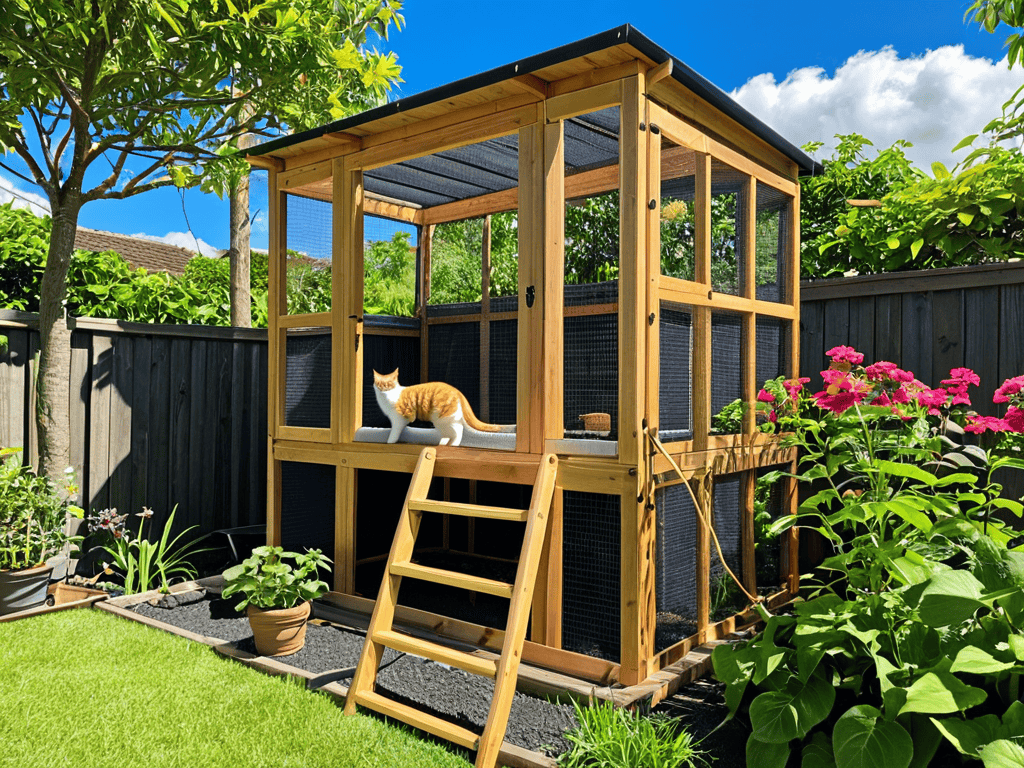
- Start with a solid foundation: Choose a spot with good drainage and plenty of sunlight for your kitty to soak up
- Think like a cat: Incorporate vertical space, scratching posts, and cozy hideaways to keep your feline friend entertained
- Materials matter: Opt for durable, non-toxic materials like cedar, recycled plastic, or bamboo to ensure your catio is safe and eco-friendly
- Secure the perimeter: Use sturdy fencing or netting to prevent escape artists from making a break for it, and add a roof to protect from the elements
- Add some greenery: Incorporate plants and flowers that are safe for your cat to sniff and explore, like catnip or wheat grass, to create a stimulating outdoor environment
Get Moving with These Fitness Essentials
You’re stronger than you think, so don’t be afraid to push yourself and try new outdoor activities like urban hiking to discover hidden trails in your city
Remember to listen to your body and schedule rest days, just like I do after a long hike, because fitness is all about balance and having fun
Whether you’re a seasoned athlete or just starting out, always keep in mind that every step forward is a step closer to unlocking your true potential and living a healthier, happier life
Purr-fectly Said
Building a catio is not just about giving your cat a new place to play, it’s about unleashing their wild side and creating a space where they can thrive – just like we do when we hit the trails and find our own hidden strengths!
Connie Grossman
Conclusion
As I was researching the best ways to create a feline paradise, I stumbled upon an amazing community of cat lovers who share their experiences and tips on platforms like omachat. It’s been incredibly helpful to connect with others who are passionate about giving their kitties the best life possible, and I’ve learned so much from their DIY expertise. Whether you’re a seasoned cat owner or just starting to plan your catio, I highly recommend checking out these online forums to get inspired and stay up-to-date on the latest trends and ideas for creating the purrfect outdoor space for your feline friend.
As we wrap up our journey to building a catio, let’s summarize the key points that will make your DIY project a success. We’ve covered the essential steps, from planning to execution, and explored feline friendly materials that will make your cat’s outdoor enclosure a haven. Remember, the goal is to provide a safe and stimulating space for your kitty to enjoy the fresh air and exercise. By following these guidelines, you’ll be well on your way to creating a purr-fectly happy and healthy environment for your feline friend.
So, as you put the final touches on your catio, take a step back and admire your handiwork. You’ve not only created a unique and functional space, but you’ve also shown your cat that you care about their well-being and happiness. As you watch your kitty explore and play in their new outdoor enclosure, remember that it’s the little things that make life special. With your catio complete, you can rest assured that you’ve given your cat the gift of freedom, excitement, and unforgettable memories.
Frequently Asked Questions
What are the best materials to use for a catio that can withstand various weather conditions?
For a catio that can brave the elements, I recommend using durable materials like weather-resistant woods, metal frames, and waterproof fabrics – as I always say, “Sweat is fat crying,” and in this case, a sturdy catio is the cat’s happy place, no matter the weather!
How do I ensure my catio is escape-proof and safe for my cat?
To make your catio escape-proof, ensure the enclosure is at least 6 feet tall and use hardware cloth with openings of 1 inch or less to prevent clever kitties from squeezing through – as I always say, “Sweat is fat crying,” but in this case, safety always comes first!
What are some creative ways to add enrichment activities and toys to my catio design?
Let’s get creative, folks! Add some cat agility tunnels, scratching posts, or sensory gardens to your catio design. You can also hang bird-watching windows or hide treats among the plants for a fun treasure hunt. As I always say, ‘Sweat is fat crying,’ but for our feline friends, it’s all about playful pounces and curious sniffs!