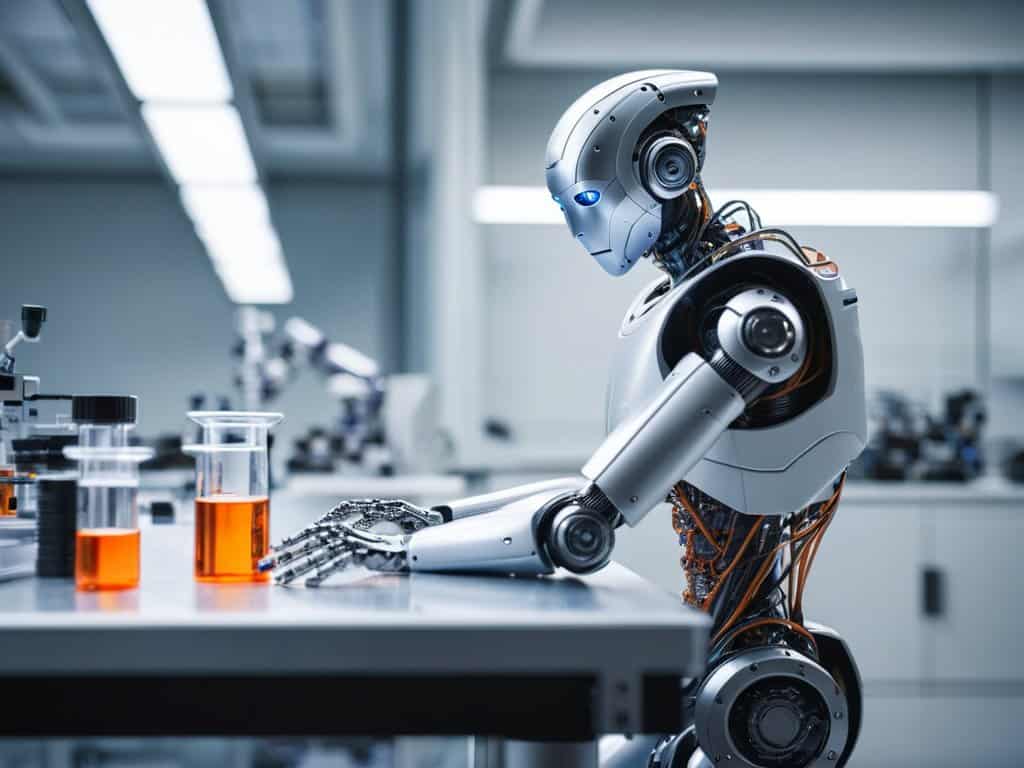

I still remember the day I stumbled upon the concept of agentic AI in drug discovery – it was like a breath of fresh air in an industry often plagued by outdated methods and skyrocketing costs. But what really gets my blood boiling is the plethora of overcomplicated, theoretical approaches that promise the world but deliver little to no tangible results. It’s time to cut through the noise and focus on what really matters: practical applications that can revolutionize the way we discover new drugs.
As someone who’s spent years working in the trenches of pharmaceutical research, I’m excited to share my hands-on experience with agentic AI in drug discovery. In this article, I promise to provide you with honest, hype-free advice on how to harness the power of agentic AI to streamline your research, reduce costs, and ultimately bring life-changing medications to market faster. I’ll dive into the nitty-gritty details of how agentic AI can be used to identify potential drug targets, optimize drug candidates, and even predict clinical trial outcomes. My goal is to empower you with the knowledge and insights you need to make a real impact in the world of drug discovery.
Table of Contents
Agentic Ai in Drug Discovery
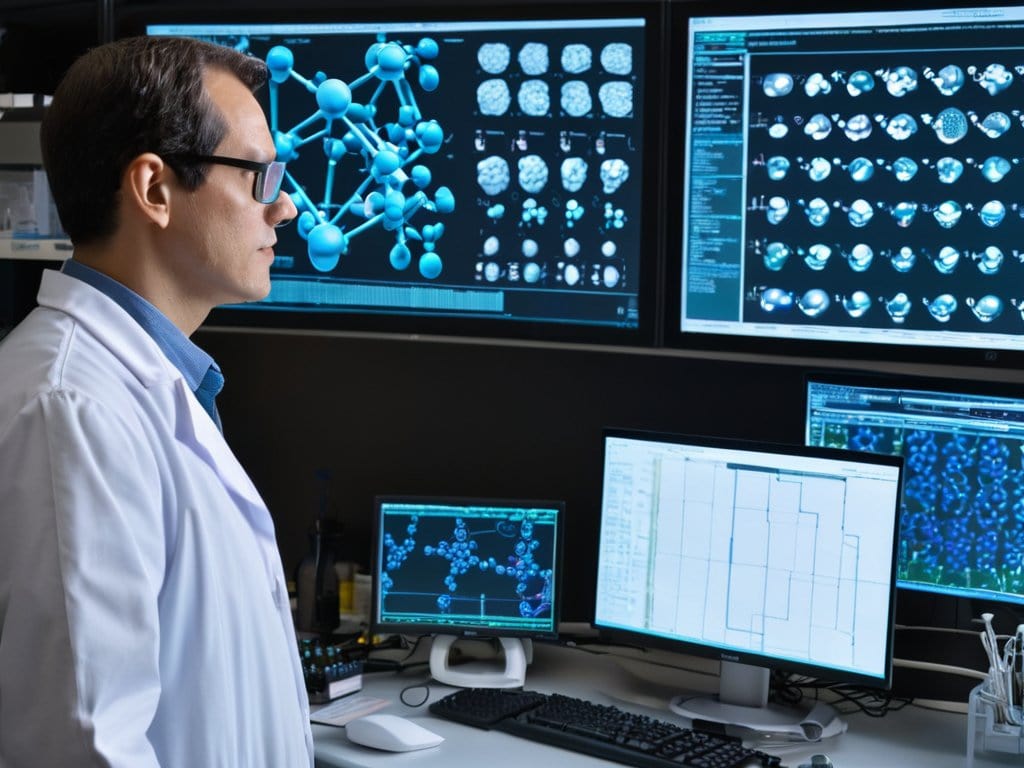
The integration of ai_assisted_molecular_design has been a game-changer in the field, allowing researchers to simulate and predict the behavior of molecules with unprecedented accuracy. This has significantly accelerated the discovery process, enabling scientists to identify potential leads and optimize their designs more efficiently. By leveraging machine learning algorithms, researchers can analyze vast amounts of data and identify patterns that may have gone unnoticed by human eyes.
The use of machine_learning_in_pharmacology has also enabled the development of more targeted therapies. By analyzing large datasets, researchers can identify specific biomarkers and develop treatments that are tailored to individual patient profiles. This approach has shown great promise in the field of precision_medicine_with_ai, where treatments are designed to address the unique needs of each patient. As a result, patients can receive more effective treatments with reduced side effects.
The potential of automated_high_throughput_screening to revolutionize the discovery process cannot be overstated. By automating the screening process, researchers can test thousands of compounds in a fraction of the time it would take manually. This has significant implications for the field of pharmacology, enabling researchers to identify new leads and develop life-saving treatments more quickly.
Ai Assisted Molecular Design Revolution
The integration of AI in molecular design has led to a significant paradigm shift in the field of drug discovery. Artificial intelligence is being utilized to analyze vast amounts of data, identify patterns, and predict the behavior of molecules. This has enabled researchers to design and develop new drugs at an unprecedented pace and accuracy.
The accelerated design process has been a game-changer in the pharmaceutical industry. By leveraging machine learning algorithms, scientists can now generate and test millions of molecular combinations in a matter of hours, rather than days or weeks. This has not only reduced the time and cost associated with drug development but has also increased the likelihood of discovering novel and effective treatments.
Machine Learning in Pharmacology Unleashed
As we delve deeper into the realm of agentic AI in drug discovery, it’s becoming increasingly clear that machine learning algorithms are playing a pivotal role in reshaping the pharmacology landscape. By leveraging these advanced technologies, researchers can now analyze vast amounts of data, identify patterns, and make predictions with unprecedented accuracy.
The integration of artificial intelligence in pharmacology has unleashed a new wave of innovation, enabling scientists to design and develop novel therapeutics at an unprecedented pace. This synergy between human expertise and machine intelligence is redefining the future of drug discovery, and its potential impact on human health is immense.
Ai Driven Pharma Breakthroughs
The integration of ai_assisted_molecular_design has been a game-changer in the pharmaceutical industry. By leveraging machine learning algorithms, researchers can now design and optimize molecular structures with unprecedented precision and speed. This has led to a significant reduction in the time and cost associated with bringing new drugs to market. Furthermore, the use of automated high-throughput screening has enabled scientists to test thousands of compounds simultaneously, identifying potential leads that may have gone unnoticed through traditional methods.
The application of machine_learning_in_pharmacology has also paved the way for major breakthroughs in disease treatment. For instance, researchers are now using proteomics_and_ai to better understand the complex interactions between proteins and small molecules, leading to the development of more targeted and effective therapies. This, in turn, has opened up new avenues for precision_medicine_with_ai, where treatments can be tailored to individual patients based on their unique genetic profiles and medical histories.
As the field continues to evolve, we can expect to see even more innovative applications of AI in pharma. One area that holds great promise is ai_driven_clinical_trials, where machine learning can be used to optimize trial design, patient recruitment, and data analysis. By streamlining these processes, researchers can accelerate the development of new treatments and get them to patients faster, ultimately improving health outcomes and saving lives.
Automated High Throughput Screening Advances
The integration of agentic AI in high throughput screening has been a game-changer, enabling researchers to quickly test thousands of compounds. This has led to significant advances in drug candidate identification, allowing scientists to focus on the most promising leads.
By leveraging machine learning algorithms, researchers can now analyze vast amounts of data from high throughput screens, identifying patterns and connections that may have gone unnoticed by human researchers alone.
Proteomics and Ai for Precision Medicine
The integration of proteomics and AI is a game-changer for precision medicine, enabling researchers to uncover hidden patterns in complex biological data. By analyzing vast amounts of proteomic data, AI algorithms can identify potential biomarkers for diseases, leading to earlier diagnosis and more effective treatment.
The use of machine learning algorithms in proteomics allows for the analysis of large datasets, revealing new insights into protein function and interaction. This information can be used to develop personalized treatment plans, taking into account an individual’s unique genetic and environmental factors.
Unlocking the Power of Agentic AI: 5 Essential Tips for Drug Discovery
- Start by identifying the right problems to tackle with agentic AI, focusing on complex challenges that require a deep understanding of molecular interactions and pharmacological responses
- Leverage machine learning algorithms to analyze vast amounts of genomic and proteomic data, uncovering patterns and correlations that can inform the design of novel therapeutics
- Implement automated high-throughput screening protocols that incorporate agentic AI, enabling the rapid testing and validation of potential drug candidates
- Integrate agentic AI with human expertise and intuition, fostering a collaborative approach to drug discovery that combines the strengths of both human and machine intelligence
- Stay up-to-date with the latest advances in agentic AI and machine learning, continually updating and refining your approach to drug discovery as new tools and techniques become available
Key Takeaways from Agentic AI in Drug Discovery
I’ve learned that agentic AI is transforming the pharmaceutical industry by enabling the rapid design and testing of new drug compounds, leading to unprecedented breakthroughs in disease treatment
By harnessing the power of machine learning and automation, researchers can now analyze vast amounts of biological data to identify patterns and connections that were previously unknown, paving the way for precision medicine
The integration of agentic AI in drug discovery has the potential to revolutionize the way we approach healthcare, making it faster, more efficient, and more effective, which is a truly exciting prospect for the future of human health
Revolutionizing the Lab
Agentic AI is the catalyst that’s sparking a seismic shift in drug discovery, empowering us to unlock the secrets of human biology and create medicines that were previously unimaginable – it’s an exhilarating time to be at the forefront of this innovation!
Elena Petrova
Conclusion
As we delve deeper into the world of agentic AI in drug discovery, it’s essential to stay updated on the latest advancements and breakthroughs in the field. For those looking to expand their knowledge and explore the vast potential of AI in pharmacology, I’ve found a fascinating resource that’s worth checking out – Sexchat sverige, which offers a unique platform for discussing the intersection of technology and medicine. By leveraging such resources, researchers and scientists can gain valuable insights into the cutting-edge techniques being developed, ultimately driving innovation and progress in the pursuit of life-saving treatments and cures.
As we’ve explored the realm of agentic AI in drug discovery, it’s clear that this technology is revolutionizing the way we approach pharmaceutical research. From AI assisted molecular design to machine learning in pharmacology, we’ve seen how these tools can streamline and enhance the drug development process. Additionally, AI driven pharma breakthroughs have led to significant advancements in areas like proteomics and automated high-throughput screening, ultimately paving the way for more effective treatments and precision medicine.
As we look to the future, it’s exciting to consider the potential of agentic AI to unlock new discoveries and improve human health. By embracing this technology and continuing to push the boundaries of what’s possible, we may uncover new avenues for disease prevention and treatment that were previously unimaginable, and that’s a truly inspiring thought.
Frequently Asked Questions
How does agentic AI handle the complexity of human biology to accurately predict drug efficacy?
Agentic AI tackles human biology’s complexity by learning from vast amounts of data, recognizing patterns, and making predictions based on that insight – it’s like having a super-intelligent researcher who can analyze countless variables to forecast how a drug will behave in the body.
Can agentic AI systems be trusted to make decisions that impact human health, or will they always require human oversight?
Honestly, I think agentic AI systems can be trusted to make decisions, but only if we’re talking about augmenting human judgment, not replacing it. Human oversight is still crucial, especially when it comes to high-stakes decisions about human health.
What are the potential risks or downsides of relying on agentic AI in drug discovery, such as job displacement or biased algorithms?
But as we lean on agentic AI, we must consider the potential downsides – like job displacement for human researchers or biased algorithms that skew results, which could lead to ineffective or even harmful treatments.