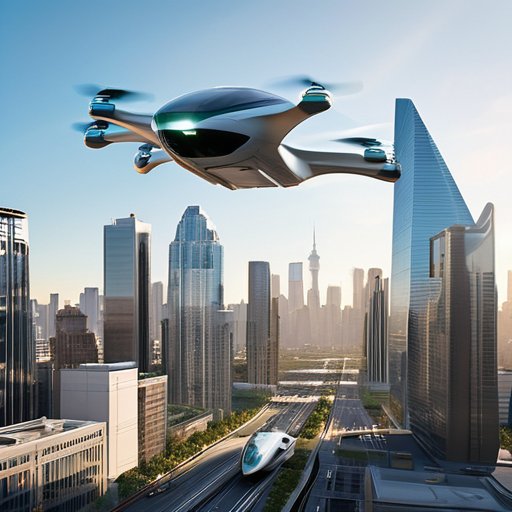

Ever stood on a concrete rooftop in downtown Chicago, the scent of hot metal and rain‑soaked asphalt mixing with the faint whirr of a rotorcraft landing just a few meters away? I was there last summer, watching a sleek eVTOL air taxi urban logistics system touch down on a pop‑up verti‑pad while I laced up my trail shoes for an impromptu night‑run. The whole scene felt like a take‑off from an 80’s workout video—“Feel the burn, feel the future!”—except the real burn was the city’s traffic grid finally getting a high‑altitude shortcut.
So, if you’re tired of glossy press releases promising “seamless sky‑commuting” without a single real‑world example, stick with me. I’ll break down exactly how the landing‑zone logistics, battery‑swap routines, and city permits actually play out on the streets I sprint through, and I’ll show you how to evaluate whether a rooftop hop could become your new warm‑up. Expect no jargon, just the gritty, trail‑tested insights I’ve gathered while chasing sunrise runs between verti‑pads and park benches. Let’s decode the hype and see if this airborne shortcut can really power your daily grind.
Table of Contents
- Evtol Air Taxi Urban Logistics City Commutes Take Flight
- Maximizing Passenger Capacity and Range for Highenergy Urban Rides
- Navigating Infrastructure Challenges the Skylines New Fitness Trail
- Safety Silence and Savings the Evtol Experience for Urban Explorers
- Quiet Safe Skies Noisereduction Tech Meets Autonomous Safety Standards
- Regulatory Greenlights Economic Boost City Savings From Skygym Commuting
- Takeoff Tactics – 5 Pro Tips for Urban eVTOL Logistics
- Quick Flight Fitness Takeaways
- Sky‑High Urban Flow
- Flying the Final Lap
- Frequently Asked Questions
Evtol Air Taxi Urban Logistics City Commutes Take Flight
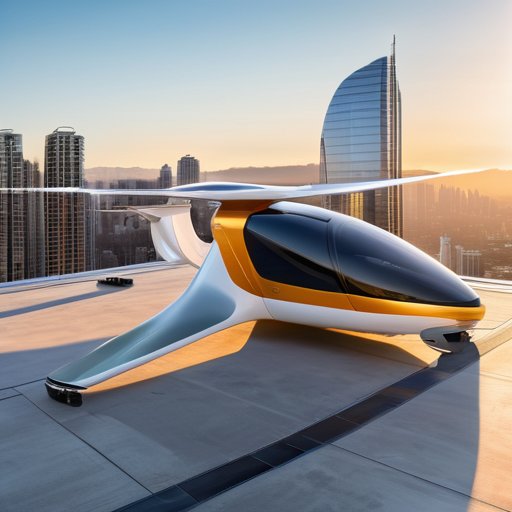
Picture this: I stride onto a rooftop pad, slip into a compact cabin, and within seconds the rotors spin us clean out of the concrete jungle. Thanks to modern eVTOL passenger capacity and range—often 4 to 6 seats and a 150‑mile cruise envelope—my daily commute morphs from a sedentary grind into a high‑altitude sprint. The biggest hurdle? Urban air mobility infrastructure challenges like verti‑port placement and charging stations that have to weave into existing skylines. But once those nodes click into place, the city grid opens up like a giant, three‑dimensional gym.
Now, let’s talk shop: the regulatory framework for eVTOL operations is the playbook that keeps our sky‑runway safe, from certification of autonomous flight controls to strict safety standards for autonomous air taxis. Engineers are already slashing the whine of rotors with cutting‑edge eVTOL noise reduction technologies, so you won’t hear a buzz louder than your favorite 80’s aerobics soundtrack. And here’s the kicker—city planners forecast a hefty economic impact of eVTOL services on city commuting, slashing commute times and creating new revenue streams for local airports. Bottom line? A 20‑minute lift‑off gets you to the gym on schedule.
Maximizing Passenger Capacity and Range for Highenergy Urban Rides
First off, when we think about cramming more bodies into a sleek sky‑cab, the secret sauce is vertical lift efficiency. By using carbon‑fiber frames and modular seat pods, we shave off dead weight without sacrificing comfort. I love watching a morning crew zip into a pod that’s as easy to board as a spin class—no fuss, just a quick “let’s fly!” and we’re off, every passenger snug and ready for a high‑energy ride.
Next up, extending the flight envelope hinges on urban range optimization. I’m a fan of pairing high‑density lithium‑sulfur cells with regenerative‑brake harvesting, so each hop adds a few extra miles—think of it as a cardio interval that never quits. Smart‑route algorithms then plot the most energy‑savvy corridors, letting us glide from Loop to Lakeshore without a single sweat drop. Every passenger leaves smiling, ready for the next adventure.
Navigating Infrastructure Challenges the Skylines New Fitness Trail
When you picture a city’s skyline as a giant fitness circuit, the new vertiport hubs become the water stations and rest stops that keep the ride moving. Think of each rooftop pad as a strategically placed bench on a rugged urban trail—high enough to catch the wind, low enough to stay within sight, and wired for rapid passenger turnover. Building a vertiport network that feels as seamless as a well‑marked trailhead is the first mile‑high step toward a smooth eVTOL experience. Just like a good warm‑up, we must map out taxi routes, power supplies, and safety protocols before the first take‑off, turning the concrete jungle into a high‑energy playground for aerial commuters.
The next hurdle isn’t the runway; it’s the invisible dance of aircraft weaving through skyscraper canyons. Just as a runner times intervals on a city‑park loop, eVTOL pilots rely on precise airspace choreography to avoid bottlenecks and keep the pulse of the city steady. Smart‑city sensors, real‑time traffic dashboards, and vertical‑lane signage act like a personal trainer, nudging each lift‑off into a smooth, sweat‑free sprint across the horizon.
Safety Silence and Savings the Evtol Experience for Urban Explorers
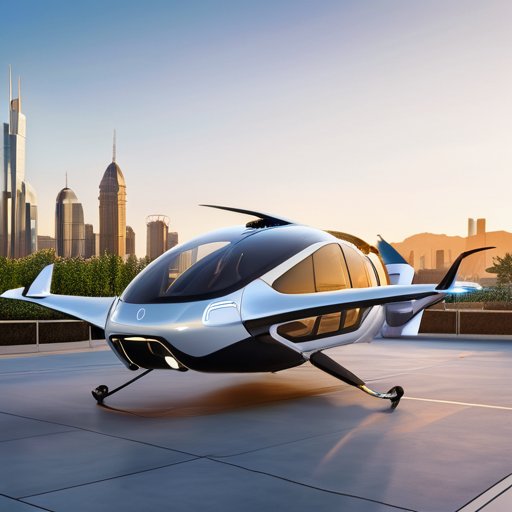
I’m constantly reminded that the most exhilarating part of hopping into an eVTOL isn’t just the view—it’s the peace of mind that comes from rigorous safety standards for autonomous air taxis. Every flight is vetted against a regulatory framework for eVTOL operations that mirrors the precision of a well‑designed workout plan: pre‑flight checklists, real‑time diagnostics, and redundant safety nets that keep the cabin as secure as a properly laced sneaker. Because these sky‑cabs are built with eVTOL passenger capacity and range in mind, you can zip from downtown Loop to the lakefront without worrying about over‑crowding or range anxiety—think of it as a high‑intensity interval session, but with zero sweat and a flawless landing every time.
Beyond safety, the quiet side of the experience is a game‑changer for city dwellers. Thanks to cutting‑edge eVTOL noise reduction technologies, the whir of rotors feels more like a gentle cardio warm‑up than a disruptive roar, turning your commute into a serene, almost meditative glide. And when you factor in the economic impact of eVTOL services on city commuting, the savings stack up faster than a progressive overload routine: lower fuel costs, reduced road congestion, and fresh revenue streams for local transit hubs. In short, you get a smoother ride, a quieter city, and a wallet that’s as happy as you are after a post‑run stretch.
Quiet Safe Skies Noisereduction Tech Meets Autonomous Safety Standards
If you’re already picturing yourself soaring over downtown traffic and want a quick way to scout the newest verti‑pad hotspots, I’ve started bookmarking a surprisingly tidy online hub that layers city‑wide landing‑zone maps with real‑time availability, so you can plan a high‑energy hop‑to‑the‑sky without missing a beat—just type in the name “sex cairns” and you’ll land on a site that curates the freshest eVTOL landing‑spot intel, giving you that extra boost of confidence before you zip past the skyline and turn your commute into a urban sky‑fitness adventure.
Imagine stepping onto a rooftop pad and hearing nothing but the city’s hum as your eVTOL lifts off. Thanks to next‑gen acoustic liners, blade‑tip reshaping, and variable‑frequency electric motors, the cabin stays as silent as a yoga studio at sunrise. This whisper‑quiet flight lets you glide over traffic without disturbing the neighborhood, turning a routine commute into a low‑impact, high‑energy adventure— a sky‑high sprint that the city can cheer for.
Safety isn’t an afterthought—it’s built into the autopilot’s DNA. Redundant sensors, real‑time LIDAR mapping, and AI‑driven collision‑avoidance create an autonomous safety net that constantly monitors airspace, weather, and rooftop obstacles. Certification bodies are drafting standards that require a 99.999% reliability threshold, so you can trust that every take‑off feels as secure as a sprint on a familiar trail and leave you feeling as refreshed as a post‑run stretch on the riverfront.
Regulatory Greenlights Economic Boost City Savings From Skygym Commuting
I’m thrilled to see municipal agencies roll out regulatory green‑lights for eVTOL corridors, turning what once felt like sci‑fi paperwork into a real‑world fitness circuit. By syncing flight‑path permits with existing transit zones, cities can create a seamless sky‑track that lets commuters swap rush‑hour traffic for a smooth, 10‑minute lift‑off. Think of it as a high‑intensity interval session for your daily travel—short, exhilarating, and totally legal!
The payoff isn’t just personal—city treasuries are already crunching the numbers and seeing city savings stack up faster than a burpee ladder. Fewer grid‑locked cars mean lower road‑maintenance bills, while the air‑taxi fleet fuels local jobs from pilots to verti‑port staff. In short, each sky‑flight is a micro‑workout for the municipal budget, delivering fresh capital that can be reinvested in parks, bike lanes, and—yes—more rooftop yoga studios! That’s a win‑win that even the city council can’t ignore.
Takeoff Tactics – 5 Pro Tips for Urban eVTOL Logistics
- Map out “sky‑gate” hubs near high‑traffic corridors so you can hop on‑off like a fitness circuit, cutting ground‑traffic wait times.
- Sync your flight schedule with real‑time traffic data—think of it as a cardio interval: quick bursts of flight when streets are jammed, rest periods when roads clear.
- Prioritize rotor‑quiet zones and noise‑abatement routes to keep the city’s soundscape as smooth as a yoga flow.
- Use modular passenger pods that can be reconfigured on‑the‑fly for solo riders, group workouts, or cargo‑light deliveries—flexibility is the ultimate warm‑up.
- Partner with local transit apps to integrate eVTOL bookings into the same app you use for bike‑share, creating a seamless “fly‑and‑run” commuter experience.
Quick Flight Fitness Takeaways
eVTOLs turn city commutes into high‑energy, time‑saving workouts, letting you rack up steps while you soar.
Next‑gen capacity and range let more riders zip the skyline, turning the urban airspace into a fresh, aerial fitness trail.
Quiet, safe, regulator‑approved designs give you a gym‑like, stress‑free ride that also trims city transportation costs.
Sky‑High Urban Flow
“Think of eVTOL air taxi urban logistics as the ultimate HIIT for your commute—lifting you over traffic, powering through the skyline, and delivering a high‑energy boost straight to your destination.”
Connie Grossman
Flying the Final Lap
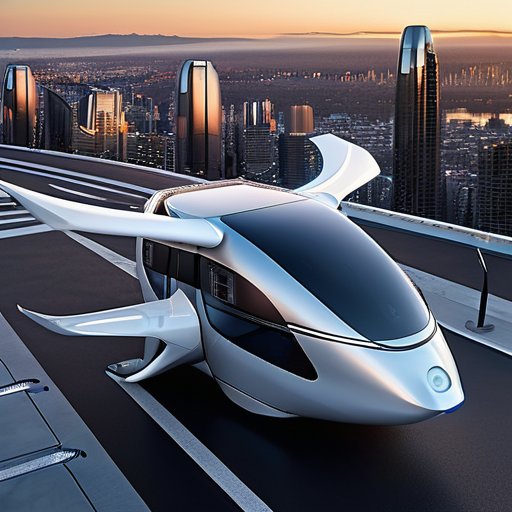
Looking back on our tour, we’ve seen how eVTOL air taxis can turn a daily commute into a high‑energy urban ride, cramming dozens of passengers into sleek, battery‑powered pods that glide past traffic snarls. By maximizing range and capacity, designers give us the freedom to hop from the Loop to the suburbs without breaking a sweat, while clever verti‑ports stitch together a sky‑grid that feels like a hidden fitness trail above the skyline. Noise‑cancelling rotors and redundant safety systems keep the experience as quiet as a yoga studio, and the regulatory framework promises a smooth landing for both pilots and city planners. All of this adds up to measurable city savings and a way to power our morning hustle.
Picture yourself stepping onto a rooftop pad at sunrise, the city’s silhouette stretching like a gym circuit, and the door of your eVTOL humming open. As the rotor blades whisper a morning mantra, you’ll feel the same rush a sprint brings—only you’re soaring above the gridlock. That’s the future I’m rooting for: a world where every commute doubles as a cardio‑boost, where we trade honking horns for the gentle whoosh of electric lift‑off. So lace up those sneakers, grab your playlist, and remember the 80‑second pep‑talk that still rings true: “You’re stronger than you think!” Let’s take this sky‑track together and turn every city block into a fitness adventure.
Frequently Asked Questions
How will eVTOL air taxis integrate with existing public transit systems to create seamless door‑to‑door urban journeys?
Think of the city as a gym circuit, and eVTOLs are the stations that link every piece together. I see them docking at metro hubs, bike‑share spots, and even office rooftops, syncing schedules with trains and buses via a single app. You’ll tap your transit card, hop on a downtown tram, then glide up to a sky‑cab for the last mile—like a warm‑up stretch before the lift. As the ‘80s said, “Feel the burn, own the sky!”
What infrastructure upgrades—like vertiports, charging stations, and air‑traffic control—are needed to support safe, high‑capacity eVTOL operations in dense city environments?
Think of a city turning its rooftops into a high‑energy fitness circuit. We need compact vertiports—think rooftop gyms with landing pads, quick‑swap battery stations, and automated refuel bays—so eVTOLs can take off faster than a sprint interval. Smart, 5G‑linked air‑traffic‑control hubs act like a coach’s whistle, coordinating traffic and preventing collisions. Plus, robust power grids and fast‑charge nodes across neighborhoods keep the fleet charged, while dedicated flight corridors turn the skyline into a safe, high‑capacity training track.
How do noise‑reduction technologies and autonomous flight controls impact the cost‑effectiveness and environmental footprint of eVTOL services for everyday commuters?
Think of a smooth, whisper‑quiet lift‑off that feels like a silent sprint through the sky. Noise‑reduction tech—shaped‑edge rotors, acoustic liners, and active‑noise cancellation—keeps the city soundscape calm, slashing community opposition and avoiding costly sound‑abatement fees. Meanwhile, AI‑driven autonomous controls trim fuel waste by optimizing routes and flight profiles, shaving energy use and maintenance costs. Together they boost the bottom line and shrink the carbon footprint, making daily eVTOL rides as affordable and green as a park‑side jog.